
Every Buffalo homeowner knows the feeling when the snow finally melts: you step outside, look up, and wonder what the winter did to your roof. Between lake-effect dumps, freeze-thaw cycles, ice dams and March wind, our roofs take more punishment than most in the country. If you’re weighing roof repair in Buffalo, NY against a full replacement, this guide walks you through how to read the damage, what’s realistically fixable and how to hire someone you can trust.
Quick answer: Most Buffalo roofs with isolated damage (a few missing or lifted shingles, a failed flashing seal, one small leak) can be repaired for a modest cost. Replacement makes sense when the roof is near the end of its life, damage is widespread, or you’re patching the same areas repeatedly. Get at least two written assessments from licensed, insured local roofers before deciding.
If you’d rather skip the guesswork, you can request roof repair help from a vetted local pro using the form on this page and get an assessment of what your roof really needs.
Signs of Winter and Storm Damage on a Buffalo Roof
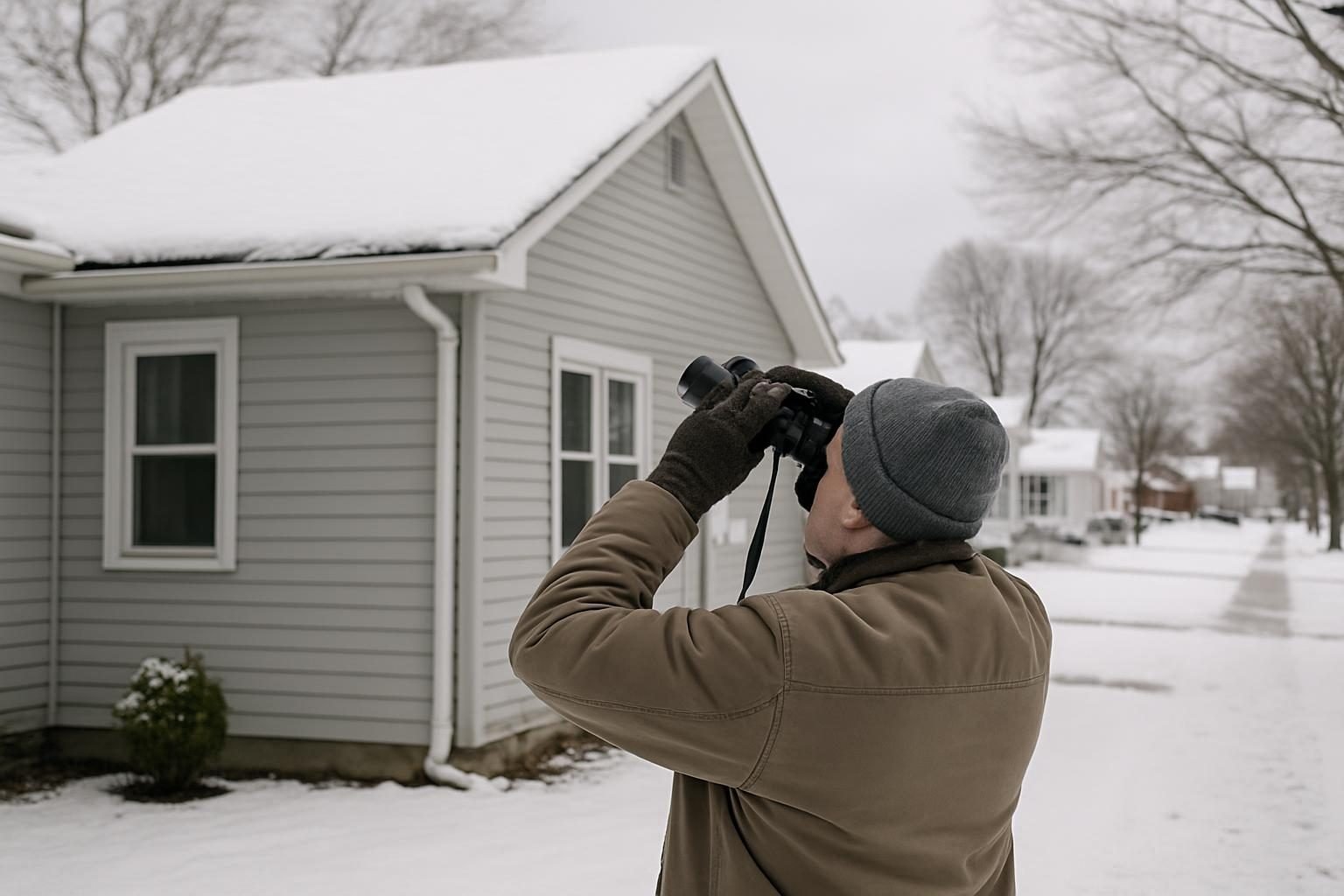
Start with what you can see from the ground, ideally with binoculars on a dry, calm day. Please don’t climb onto a roof that’s wet, icy or steep; most roof injuries happen to homeowners doing their own inspections.
Outside, look for:
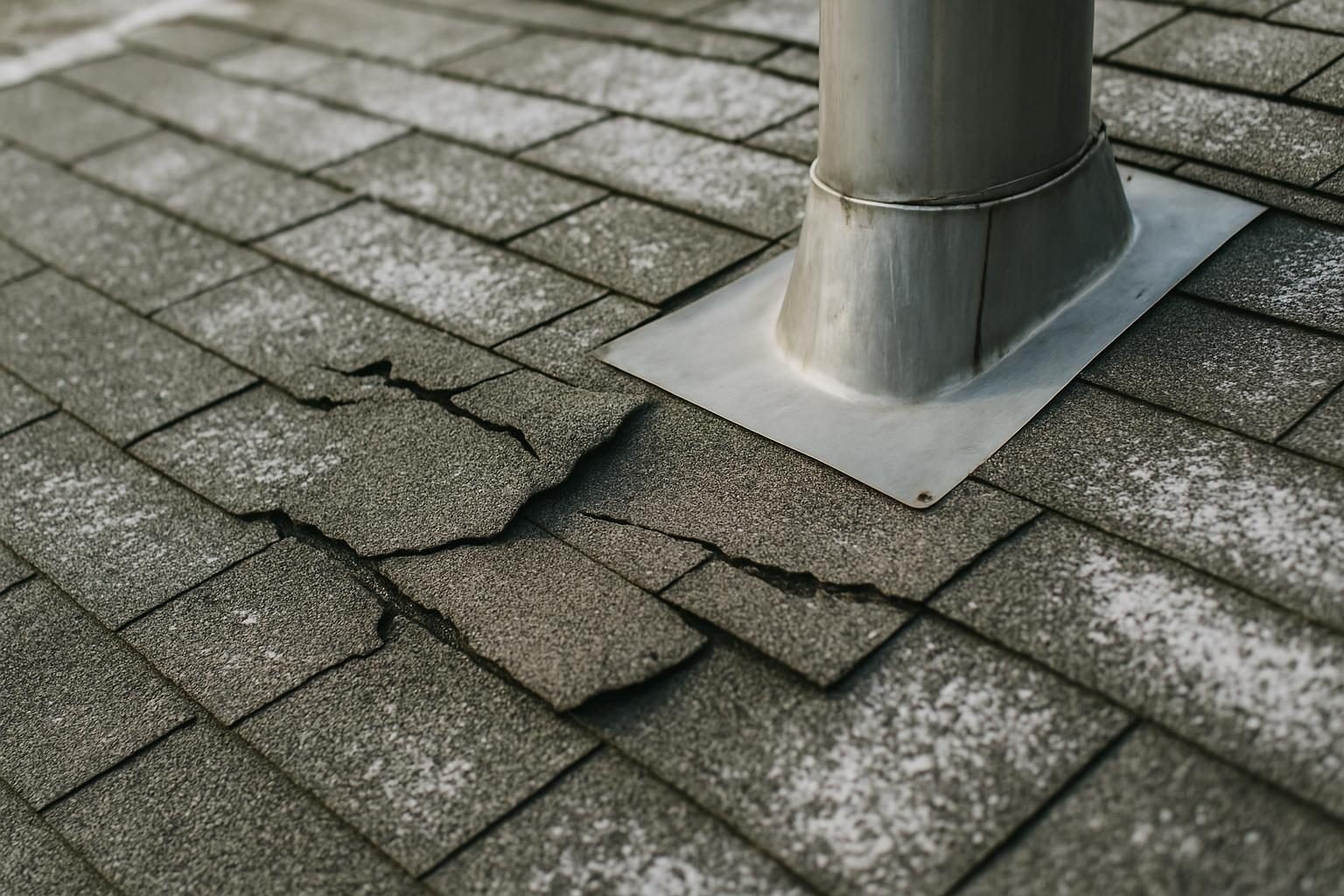
- Missing, cracked or curling shingles. Wind and freeze-thaw cycles lift and crack asphalt shingles.
- Granules in the gutters or at downspout exits. Heavy granule loss means the shingles are wearing out.
- Sagging or wavy roof lines. This can point to deck or structural problems from heavy snow load.
- Damaged flashing around chimneys, vents, skylights and valleys.
- Icicles and ice buildup at the eaves, a sign of an ice dam forming.
Inside, check the attic and top-floor ceilings. Water stains, damp or compressed insulation, daylight through the roof boards, musty smells and peeling paint near exterior walls all suggest water is getting in. Stains often appear days or weeks after the leak starts, so a dry ceiling in January doesn’t guarantee a sound roof in April.
A ceiling stain is the last symptom, not the first. By the time you see it, water has been traveling for a while.
Why Buffalo Roofs Take a Beating
It isn’t just the snow total. The real culprit is the cycle: snow piles up, the sun or attic heat melts the bottom layer, water runs down to the cold eave and refreezes. That’s how ice dams form, and once water backs up under shingles it can soak the decking and insulation.
Add repeated freeze-thaw swings in March and April, gusty lake winds, and the weight of wet, heavy snow, and you can see why even a decent roof ages quickly here. Older neighborhoods with 1920s and 1930s housing stock, like parts of South Buffalo, North Buffalo, Kenmore and the West Side, often have complex rooflines, multiple valleys and aging flashing that make leaks more likely. For a broader look at what the season throws at us, see our guide to surviving lake-effect winters.
What Roof Repair Can Fix (and What It Can’t)
Repair is the right call when the problem is localized and the rest of the roof is in decent shape. A good roofer can often solve these without replacing the whole roof:
- Replacing a handful of missing, cracked or lifted shingles
- Resealing or replacing pipe boots, vent flashing and chimney flashing
- Fixing a small leak in a valley or around a skylight
- Repairing a small section of damaged decking
- Re-securing loose ridge caps or drip edge
Repair has limits. Shingles lose their flexibility and sealant strip as they age, so on an older roof a patch can break neighboring shingles when disturbed, and new leaks pop up elsewhere. Color matching on older roofs is also hit or miss, which matters more for looks than for performance.
Typical small repairs in the region often run from a few hundred dollars to a couple thousand, depending on access, roof pitch and how much decking is affected. Treat that as a rough range only; get written quotes for your own roof.
Local tip: Take dated photos of any damage and of your attic before and after storms. They help your roofer diagnose the problem and give you a clean record if you file an insurance claim.
When Replacement Makes More Sense
Replacement usually wins when repairs would be a short-term bandage. Use this comparison as a starting point:
| Situation | Repair likely fits | Replacement likely fits |
|---|---|---|
| Roof age (asphalt shingle) | Well under typical lifespan | Near or past typical lifespan (often 20 to 25 years in our climate) |
| Extent of damage | One or two small areas | Widespread curling, cracking or granule loss |
| Leak history | First leak, clear cause | Repeated leaks in different spots |
| Decking | Dry and solid | Soft, rotted or sagging in multiple areas |
| Ice dam damage | Minor, caught early | Repeated dams with wet insulation and rotted eaves |
Also consider your plans. If you expect to sell within a year or two, a documented repair on a sound roof may be enough, but a failing roof can complicate a sale. If you’re staying long term, putting money into an old roof is often worse value than replacing it. For what drives the final number, read our breakdown of roof replacement costs in Buffalo.
If you’re patching the same roof every spring, you’re paying for a replacement in installments.
Ask any roofer you consult to address ventilation and insulation too. Poor attic airflow is a leading cause of ice dams and premature shingle aging, and a new roof on a badly ventilated attic will repeat the same problems.
How to Vet Roofers in Western New York
After a rough winter or a big storm, out-of-town crews and door knockers show up offering quick deals. Some are legitimate; many aren’t around when a warranty claim comes due. Take your time and verify. We’re building a full guide on how to hire a roofer in Buffalo and avoid storm chasers, but here are the essentials.
- Confirm insurance. Ask for a certificate of liability and workers’ compensation coverage, and verify it with the insurer if you can.
- Check licensing requirements. Rules vary by municipality in Erie and Niagara counties, and some towns require contractor registration or permits. Call your town or city building department to confirm what applies to you.
- Look for a real local presence. A physical address, a track record in the area and references you can actually call.
- Get at least two or three written estimates that specify materials, scope, cleanup, permits and warranty terms.
- Be wary of big upfront payments, pressure to sign the same day, or offers to “waive your deductible.”
- Ask who actually does the work. Employees or subcontractors, and who supervises on site.
Local tip: Book roof work in a calm window, not in the rush right after the thaw. Good local crews get busy from spring through fall, so calling early gets you better scheduling and less pressure.
Insurance Basics for Roof Damage
Homeowners policies generally cover sudden, accidental damage, such as a tree limb through the roof or wind that tears off shingles. They generally don’t cover wear and tear, age-related deterioration or neglected maintenance. Ice dam water damage is handled differently from policy to policy, so read yours carefully or ask your agent.
A few practical steps if you think you have a covered loss:
- Document everything with photos and notes before making temporary repairs.
- Take reasonable steps to prevent further damage, like tarping, and keep receipts.
- Review your deductible, since some policies have a separate wind or hail deductible.
- Contact your insurer or agent before signing a contract with a roofer.
- Be cautious about signing anything that gives a contractor authority over your claim.
Policies and claim rules differ, so treat this as general background rather than advice for your situation. Your agent or insurer is the right source for what your policy covers.
Preventing the Next Round of Damage
The cheapest roof repair is the one you avoid. Keep gutters clear before freeze-up, address attic insulation and ventilation, and have a pro look over the roof each fall and spring. Our Buffalo home maintenance calendar lays out what to do each season. Heavy accumulation is also worth watching; we’re preparing a guide on roof raking and snow load, and another on why fall gutter cleaning matters before ice dams.
If your inspection turned up something, don’t wait for the next storm to find out how bad it is. Use the form on this page to request a roof repair quote from a vetted local pro.
FAQ: Roof Repair in Buffalo
How long does a roof last in Buffalo?
Asphalt shingles often last roughly 20 to 25 years here, sometimes less with poor ventilation or repeated ice dams. Quality of installation and materials matters as much as age.
Can I repair a roof in winter?
Emergency fixes and temporary patches are possible, but many shingle repairs are best done in milder weather because cold shingles are brittle and sealant strips don’t bond well. A roofer can tell you what’s safe to do now and what should wait.
Is a small leak an emergency?
Treat any active leak seriously. Even a small one can soak insulation and rot decking. Contain the water inside, document it, and call a roofer promptly rather than waiting for spring.
Will my insurance pay for roof repair?
It depends on the cause. Sudden storm damage may be covered; age and wear typically are not. Review your policy and talk to your agent before signing with a contractor.
Should I patch an old roof or replace it?
If the roof is near the end of its lifespan or leaks in multiple places, replacement is usually the better long-term value. If it’s relatively young with one clear problem, repair is often enough.
Get free roof repair quotes from Buffalo pros
A vetted local roofer will reach out with a free, no-obligation quote for your repair.

