It is 2 a.m., the wind is howling off the lake, and you can hear water running somewhere it should not be. Finding an emergency plumber in Buffalo, NY is stressful enough without having to figure out, in the moment, whether your problem really qualifies. This guide walks you through what is a genuine emergency, what to do in the first few minutes, and what to expect when a plumber shows up after hours.
Quick answer: A true plumbing emergency is anything that is actively flooding your home, a sewage backup, a total loss of water in freezing weather, or a burst pipe. Shut off the main water valve first, then call a plumber. If you smell gas, do not call a plumber first: leave the building and call 911 and your gas utility. Expect an after-hours surcharge for nights, weekends and holidays, but a good plumber will explain it before starting work.
If you would rather have a vetted local pro reach out to you, you can request emergency plumbing help using the form on this page. And if you are still deciding how to choose a company in general, our guide on how to hire a plumber in Buffalo covers what to check before you commit.
What counts as a true plumbing emergency in Buffalo
Not every plumbing problem needs a 3 a.m. call. A dripping faucet or a slow tub drain can wait until Monday. But some problems cause serious damage within minutes or hours, and in a Buffalo winter the clock runs even faster because of freezing temperatures and the age of much of our housing stock.
Here is a practical way to sort it out:
| Situation | Emergency? | First move |
|---|---|---|
| Burst or leaking pipe with water spraying or pooling | Yes | Shut off the main water valve, then call a plumber |
| Sewage backing up into tubs, floor drains or toilets | Yes | Stop using water, keep people and pets away, call a plumber |
| No water at all during a hard freeze | Usually yes | Check for frozen pipes, shut off the main if you find a split |
| Smell of gas or rotten eggs | Yes, but not a plumber call | Leave the house, call 911 and your gas utility |
| Water heater leaking heavily or flooding | Yes | Shut off the cold supply to the tank and the power or gas |
| One clogged toilet or sink, other fixtures working | Usually no | Try a plunger, book a regular appointment |
| Slow drip, running toilet, low pressure at one tap | No | Schedule a standard visit |
Burst pipes and active flooding
Water that is spraying, pouring through a ceiling, or spreading across a basement floor is the textbook emergency. Every minute of flow soaks drywall, insulation and flooring, and that is how a repair bill turns into a restoration project. Stop the water first, then worry about the plumber.
Sewage backup
Sewage coming up through a basement floor drain or tub is a health hazard, not just a mess. Stop running water, since everything you flush or drain can make it worse, and keep kids and pets out of the area. If the backup follows heavy rain or snowmelt, the problem may be in the city lateral or a combined sewer line, so a plumber can help you work out where the blockage really is.
No water in freezing weather
If the taps go dry during a deep freeze, a frozen supply line is the likely cause. A frozen pipe is not always a split pipe yet, but it can become one the moment it thaws. Our guide to frozen pipes in Buffalo explains how to prevent, thaw and handle a burst in more detail.
Gas smell: call 911 and the utility, not a plumber
This one is different from everything else on the list. If you smell gas or rotten eggs, do not flip switches, light anything, or hunt for the source. Walk out, get everyone out, and call 911 and your gas utility from outside. A plumber is not the right first call for a suspected gas leak, and no plumbing job is worth the risk.
If water is flowing where it should not be, stop the flow first and make the phone call second.
How to shut off the main water valve
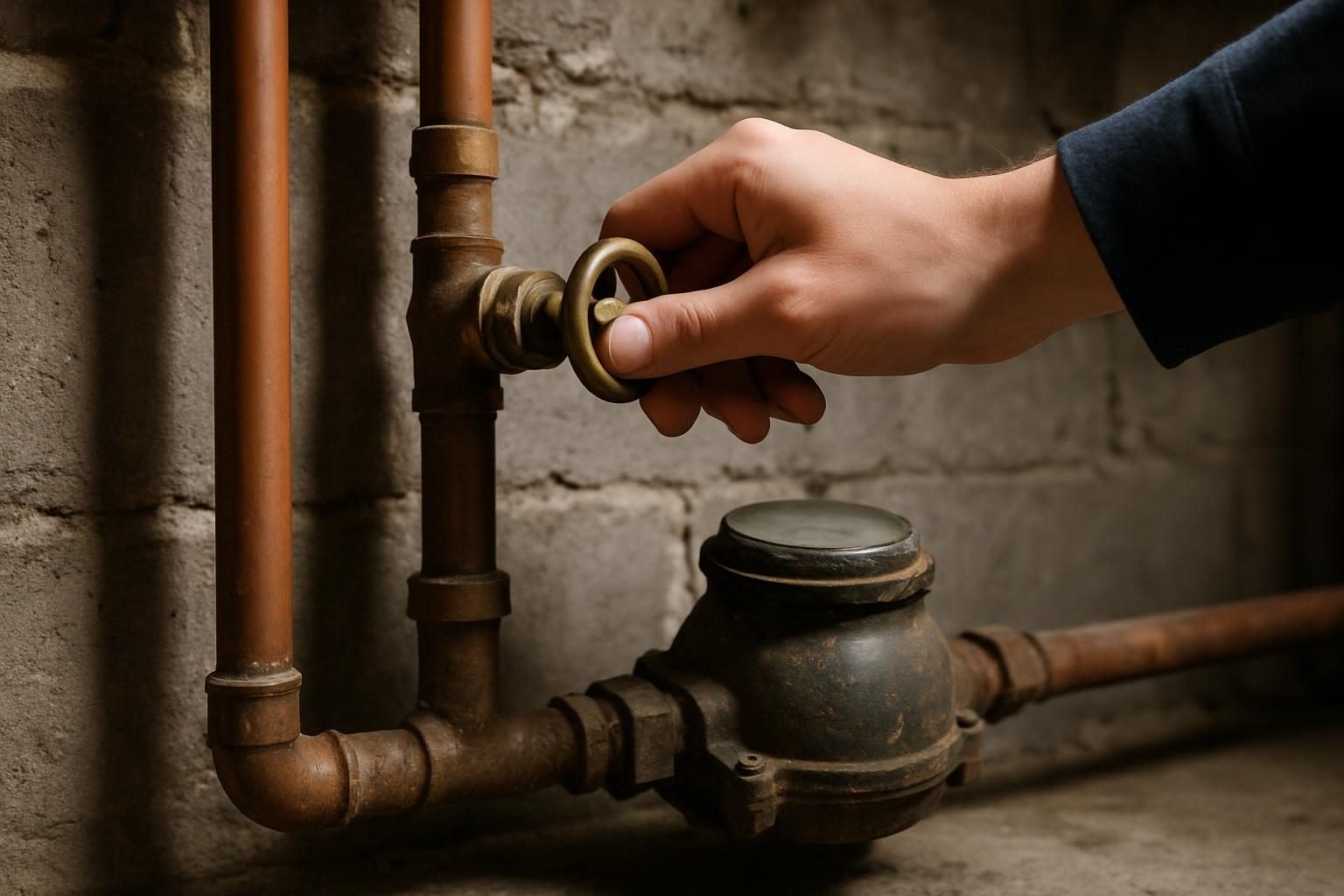
Knowing where your main shutoff is may be the single most useful thing you can learn about your house. It turns a catastrophe into a contained problem while you wait for help. Do this before you need it, ideally on a calm Saturday.
- Find the valve. In most Buffalo homes it sits in the basement, on the wall facing the street, close to where the water line enters the house and near the meter. In slab homes or some newer builds it may be in a utility closet or crawlspace.
- Identify the type. A round wheel handle needs to be turned clockwise until it stops. A lever handle closes when it sits at a right angle to the pipe.
- Close it fully. Older valves can be stiff or corroded. Use steady pressure and do not force it with a tool that could snap the stem.
- Open a faucet. Run a tap on the lowest level of the house, and one on the highest, to drain the remaining water and confirm the supply is off.
- Turn off the water heater if needed. If the pipe that burst is on the hot side, shut off power or gas to the heater so the tank does not run dry while heating.
Local tip: Test your main valve once a year, ideally in the fall when you run through your seasonal home maintenance checklist. Valves in older Buffalo homes can seize after decades of sitting open, and you do not want to discover that during a flood. Tie a bright tag to the handle so anyone in the house can find it fast.
If you cannot find or close the main valve, or it will not budge, say so when you call. That changes the urgency and tells the plumber to bring the right tools. In some cases the street-side curb stop may need to be shut off, which typically involves the water authority rather than you.
What to do in the first 15 minutes
Once the water is off, a few quick steps can limit the damage and help the plumber work faster:
- Switch off power to a flooded area only if you can reach the panel safely without standing in water. If in doubt, stay out and call for help.
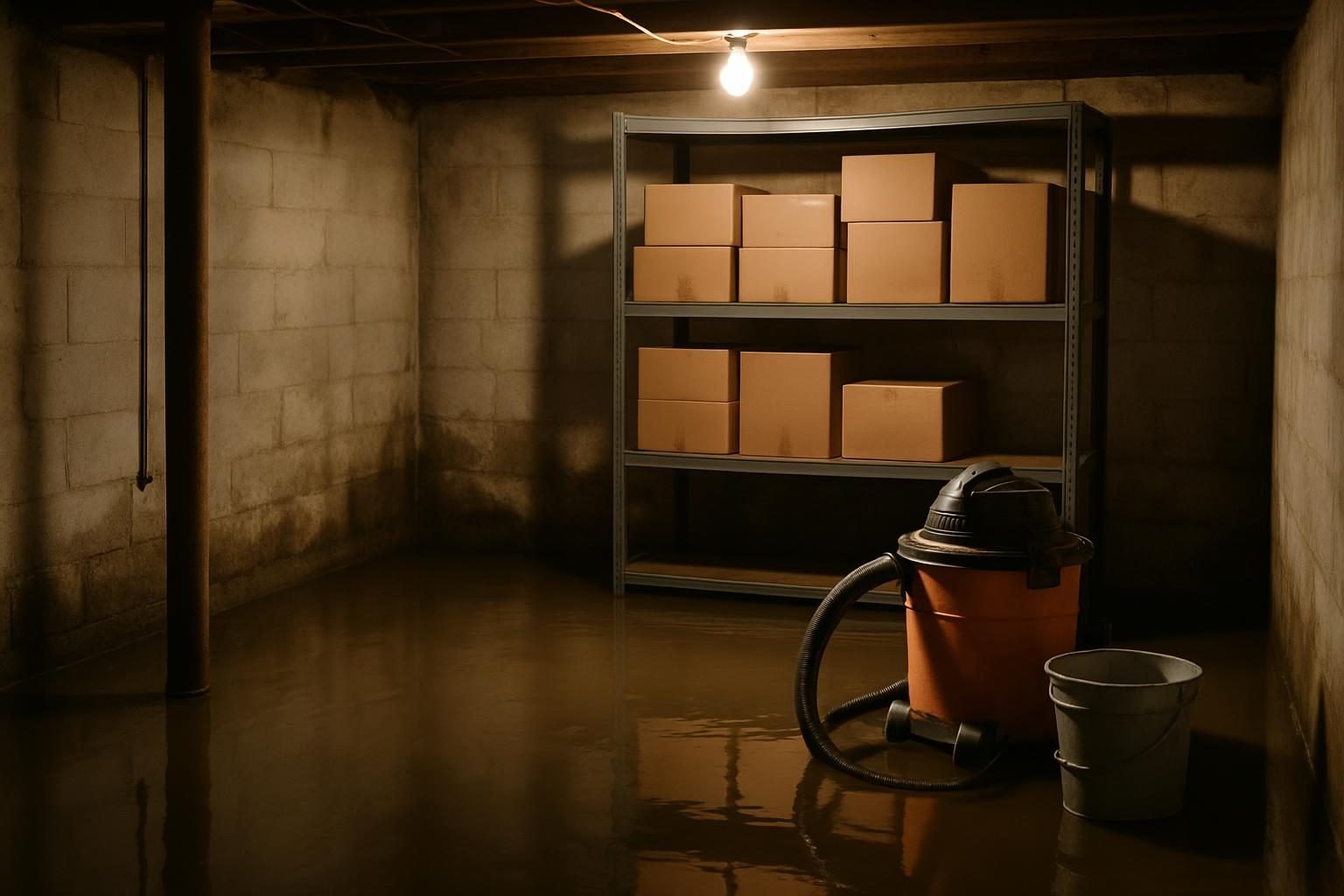
- Move furniture, rugs and boxes away from the wet area. Basements in neighborhoods like South Buffalo, Riverside and Black Rock often hold stored items that are easy to lose.
- Take photos and short videos of the damage before you clean up. Your insurer will want them.
- Put buckets under active drips and open cabinet doors under sinks so warm air can circulate around exposed pipes.
- Start removing standing water with a wet vac or mop if it is safe, and plan for drying out the space quickly to discourage mold.
If water has soaked drywall, flooring or insulation, you may need professional drying. We will cover that in our upcoming guide to water damage restoration in Buffalo, which will go through the first 48 hours and insurance basics.
The faster you shut the water off and document the damage, the smoother the repair and any insurance claim will go.
Winter-specific emergencies in Western New York
Our climate produces a particular set of plumbing emergencies. A cold snap after a lake-effect storm can drop temperatures fast enough to freeze lines in exterior walls, unheated garages, crawlspaces and the back corners of old basements. Houses in older areas like the West Side, Parkside and the East Side, and many homes in inner-ring suburbs such as Cheektowaga, Kenmore and Tonawanda, have plumbing running through cold spaces that newer construction avoids.
The other recurring headache is the thaw. A pipe can freeze solid and hold its shape for days, then split open and flood the moment temperatures rise. If you suspect a frozen line, leave the faucet open slightly and keep the heat on. For repair steps after a freeze, watch for our upcoming guide on burst pipe repair in Buffalo.
Heating problems often show up alongside plumbing ones. If your radiators or baseboards go cold and you also have water issues, the cause may be your heating system rather than the pipes. Older homes with hydronic heat may need boiler repair instead of, or in addition to, a plumber. A failing water heater can also flood a basement quickly, so see our piece on water heater replacement in cold climates if yours is aging.
Finally, remember that a basement flood is not always a plumbing leak. Heavy rain and fast snowmelt can overwhelm drainage, and a failed pump is a different problem entirely. Our guide to sump pumps in Buffalo explains battery backups and maintenance.
After-hours pricing: what to expect
Emergency plumbing costs more than a scheduled visit, and that is normal. You are paying for a tech to be on call, to leave home at night or on a holiday, and to arrive with a stocked truck ready to solve the problem on the spot. We will not quote specific numbers here because rates vary by company, season and the job, but here is how the pricing generally works.
- Dispatch or call-out fee. Many companies charge a flat fee just to send someone out, often higher after hours.
- After-hours or holiday surcharge. Nights, weekends and holidays commonly carry a premium, either as a higher hourly rate or a flat add-on.
- Labor. Billed hourly or as a flat rate per task, and often with a minimum charge.
- Parts and materials. Pipe, fittings, valves and fixtures are billed on top of labor.
- Complexity. Cutting into walls, reaching tight crawlspaces or working on corroded older pipe raises the time and cost.
Local tip: When you call, ask three things up front: whether there is a dispatch fee, what the after-hours rate or surcharge is, and whether the tech can give you a flat price once they see the problem. A reputable plumber will answer plainly. Be wary of anyone who refuses to discuss pricing until after the work starts.
Sometimes the smartest move is to stop the damage yourself, then wait until morning for a standard-rate visit. If you have shut off the main, contained the leak and nothing is actively flooding, it may be reasonable to book the first appointment of the day. A plumber can help you judge this over the phone. For a broader look at what plumbing work costs, see our upcoming guide on what a plumber costs in Buffalo.
How to choose an emergency plumber when you are under pressure
A crisis is the worst time to start researching, and it is the time scammers and storm-chasers love. A few quick checks can protect you even at 2 a.m.
- Confirm they are licensed for the work and insured. Ask for the license details and check them with the appropriate local authority.
- Look for a company with a real local presence and a track record in Western New York, not just a generic ad.
- Get a clear explanation of what the problem is and what the fix involves before the work begins.
- Ask for an itemized invoice and keep it for insurance.
- Be cautious about pressure to replace everything immediately when a targeted repair might do.
The best preparation is to have a plumber you already trust before something breaks. Keep their number near the water heater, and keep your main shutoff tagged. If you would like help finding a vetted local option now, you can request a quote from a Buffalo plumber using the form on this page.
Frequently asked questions
What should I do first if a pipe bursts?
Shut off the main water valve, then open a faucet to drain the lines. Turn off the water heater if hot lines are involved, move belongings away from the water, take photos, and call a plumber.
Should I call a plumber or 911 for a gas smell?
Call 911 and your gas utility from outside the house. Do not use switches, flames or phones inside, and do not wait for a plumber. A gas smell is a safety emergency, not a plumbing appointment.
Is a frozen pipe always an emergency?
Not always, but it can become one quickly. If a pipe is frozen but not split, thawing it carefully may prevent a burst. If you see water or hear it after a thaw, shut off the main and call for help right away.
Why do emergency plumbers charge more?
After-hours service covers on-call staffing, nights and holidays, and the cost of keeping a stocked truck ready. Ask about dispatch fees, surcharges and flat pricing before agreeing to the visit.
Can I wait until morning for a plumber?
Often yes, if you have shut off the water, contained the leak and nothing is still flooding. Sewage backups, active leaks you cannot stop and no heat or water during a freeze are better handled right away.
Get emergency plumbing help from Buffalo pros
A vetted local plumber will reach out with a free, no-obligation quote.

