

Every Buffalo winter has a few days that make the news and a lot of ordinary snowy days that don’t. This Buffalo winter survival guide to lake-effect snow covers both. It explains what the weather is doing, how to get your house and car ready, and how to enjoy the season instead of just enduring it.
Quick answer: Lake-effect snow happens when cold air moves over the relatively warm, open water of Lake Erie and dumps snow in narrow, intense bands. A blizzard is a different event, defined by wind and visibility rather than snow totals. To get through a Buffalo winter, have your snow removal sorted before the first storm, keep your car stocked and your gas tank at least half full, and have a plan for a power outage. On a band day, slow down and stay home if you can.
Not sure you want to handle the shoveling or plowing yourself this year? Request snow removal help from a vetted local pro using the form on this page.
Buffalo Winter Survival Guide: How Lake-Effect Snow Works
The recipe is simple. In late fall and early winter, Lake Erie is still holding summer and autumn warmth. When a cold air mass sweeps across it, the air picks up moisture and heat from the water. That moist air rises, cools, and turns into snow. The wind then carries it onto land.
Two details explain why Buffalo’s weather feels so strange:
- The snow falls in bands. Lake-effect snow is narrow and focused, not a wide blanket. One town can get a foot while another ten miles away sees flurries.
- Wind direction decides who gets hit. With a west-southwest wind, the band often lands on the South Towns, including West Seneca, Orchard Park, Hamburg and East Aurora, and can reach parts of the city. With other wind directions, the band can slide north toward the Tonawandas, Amherst or elsewhere. Bands can also shift during the day.
Timing matters too. The lake is most generous when it is open and unfrozen, so November and December are often the most dramatic stretch. When ice covers much of the lake in deep winter, lake-effect snow usually weakens, though regular storm systems and cold snaps still hit us. For month-by-month expectations, see our guide to Buffalo weather by season.
Lake-Effect Snow vs. a Blizzard
Locals use these words loosely, but they are different events. Knowing which one is coming changes how you prepare.
| Feature | Lake-effect snow | Blizzard |
|---|---|---|
| Cause | Cold air crossing open lake water | A strong storm system with high winds |
| Area affected | Narrow bands, very local | Wide regional impact |
| Defining trait | Heavy snowfall rates in one spot | Strong wind and very low visibility |
| Typical timing | Strongest with an unfrozen lake | Can happen any time in winter |
| Biggest risk | Sudden whiteouts, rapid accumulation, stuck cars | Zero visibility, drifting, long outages, travel bans |
The National Weather Service defines a blizzard by sustained winds or frequent gusts of 35 mph or more, plus falling or blowing snow that cuts visibility to a quarter mile or less for at least three hours. Total snowfall isn’t part of the definition. That is why the Blizzard of ’77 is remembered the way it is: wind drove existing snow into huge drifts. The Christmas 2022 blizzard was another reminder of how dangerous the wind and whiteout combination can be.
The difference for you: lake-effect warnings mean figuring out whether your street is in the band. Blizzard warnings mean planning for the whole region to shut down.
Get Your Home Ready Before the First Storm
Most winter headaches are cheaper to prevent in October than to fix in January. Here is a short checklist.
Snow removal
Decide now who clears your driveway and walks. If you’re doing it yourself, check your shovel, ice melt and snowblower (fresh fuel, working pull cord). If you’re hiring, lock in a provider before the season starts, because the first big band is when everyone calls at once. Know your city or town’s sidewalk rules, since many municipalities expect walks to be cleared within a set time. Check your local requirements.
Roof, gutters and ice dams
Clean gutters in late fall. Ice dams form when heat escaping through the attic melts snow on the roof, and the meltwater refreezes at the cold eaves. Good attic insulation and air sealing are the real fix. Raking snow off the lower roof edge from the ground can help in a pinch. Never climb up there in icy conditions.
Frozen pipes
Pipes in exterior walls, crawl spaces, garages and unheated basements are the usual suspects. Disconnect and drain outdoor hoses and shut off exterior spigots. During a hard freeze, open cabinet doors under sinks on exterior walls, and let a faucet drip. Know where your main water shutoff is before you need it.
Furnace and heating
Have your furnace serviced in the fall, replace the filter, and test your carbon monoxide and smoke detectors. A furnace failure in a cold snap is a very expensive, very urgent problem. Many Buffalo homes are older and draftier than newer construction, so weatherstripping and sealing gaps pay off.
For a season-by-season schedule, keep an eye out for our upcoming Buffalo home maintenance calendar. If you’re weighing what winter costs on top of rent or a mortgage, see cost of living in Buffalo for heating and snow-related budgeting.
Prepare Your Car
Your car is your lifeline on a snowy day, and it’s also where you can get stranded. Good prep is straightforward.
- Tires: Winter or all-weather tires with good tread make a real difference. Check pressure too, since it drops in the cold.
- Fluids and wipers: Use winter-rated washer fluid, and replace tired wiper blades.
- Battery: Cold is hard on batteries. If yours is several years old, have it tested.
- Fuel: Keep the tank at least half full in winter, so you can run the heater if you’re stuck and avoid fuel line freeze-ups.
- Emergency kit: A snow brush and ice scraper, small shovel, blanket, gloves, hat, phone charger, flashlight, water, snacks, and sand or cat litter for traction.
Clear all the snow off your car, including the roof, hood and lights, before driving. Chunks flying off a roof are a hazard to the driver behind you.

Power Outage Prep
Heavy wet snow, ice and wind can take down branches and power lines. Outages are usually short, but a long one in single-digit temperatures is serious.
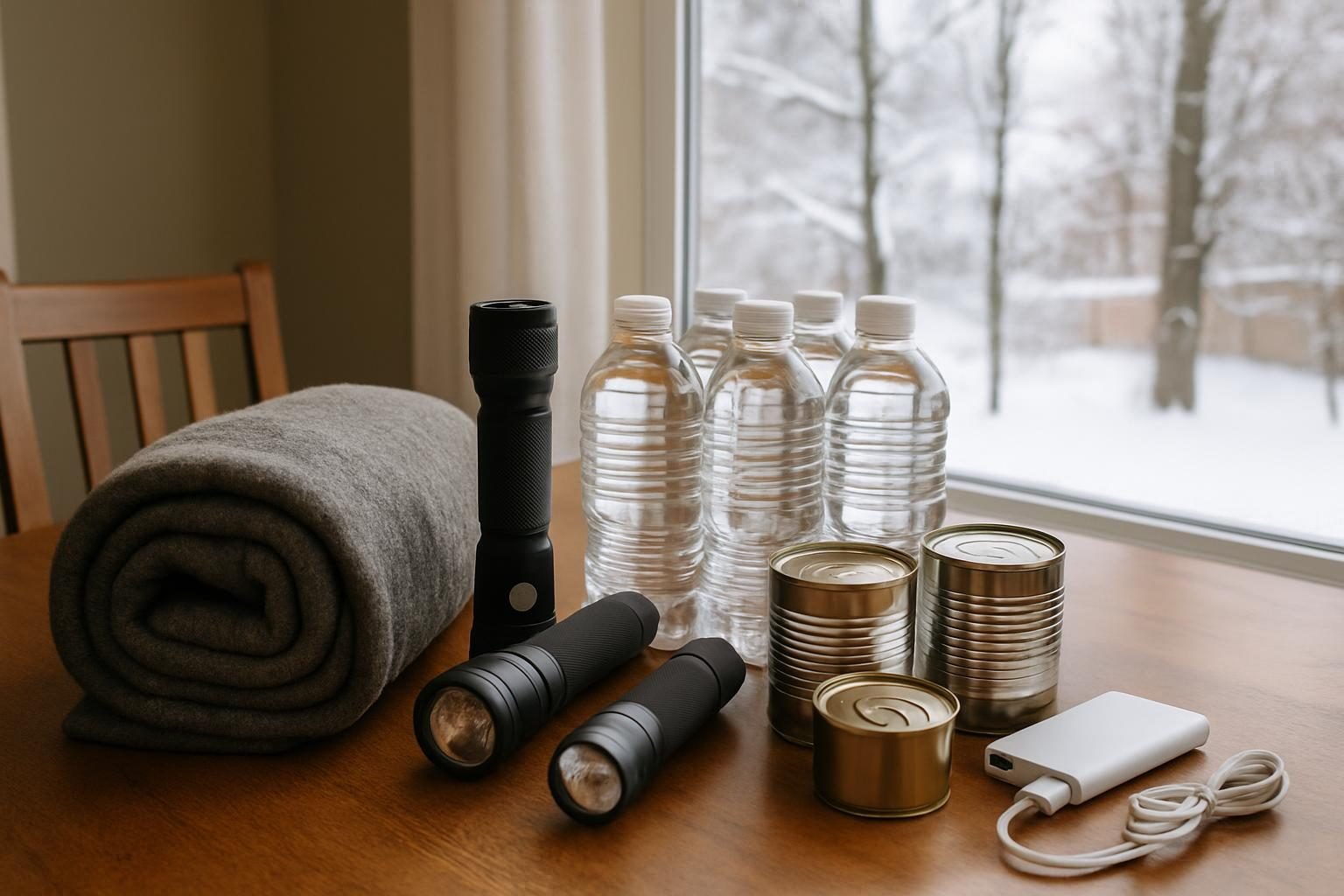
- Gather light and power: Flashlights, headlamps, spare batteries, and charged power banks for phones.
- Stock food and water: Several days of non-perishables and water, plus a manual can opener.
- Plan for heat safely: Never run a generator, grill or camp stove indoors or in a garage. Carbon monoxide kills. Generators must sit outside, well away from windows and doors. Gather warm layers and blankets, and consider closing off a smaller room to keep warm.
- Protect pipes: If the heat is out for a long stretch, let faucets drip, and know how to shut off and drain your water system.
- Know who to call: Save your utility’s outage reporting information, and check on elderly neighbors.
If you’re thinking about a standby or portable generator, have it installed or set up correctly and review the safety instructions before storm season.
Driving Tips for Lake-Effect Days
Lake-effect bands are tricky because conditions can swing from clear to whiteout within a few miles. Some habits help:
- Check before you go. Look at the forecast, radar and local road conditions. If a band is parked over your route, consider waiting it out.
- Slow down and add space. Leave much more room than usual between you and the car ahead. Brake and accelerate gently.
- Watch for bridges and ramps. The Skyway, the Kensington and the I-190 and I-90 ramps ice up faster than flat road.
- Expect sudden whiteouts. If you hit one, ease off the gas, keep your lights on, and don’t slam the brakes. If you must stop, pull completely off the road.
- Respect plows. Stay well back, and don’t pass on the right where the plow throws snow.
- Obey travel bans. When officials issue a driving ban, they mean it. Emergency vehicles can’t do their job if roads are clogged with stuck cars.
- Mind street parking rules. Many neighborhoods, including parts of Elmwood Village, Allentown and North Buffalo, have winter parking rules that change during storms. Check your municipality’s current rules.
Actually Enjoying Winter
Here’s the thing locals know: survival is half of it, and the other half is joy. Buffalonians don’t hibernate. They get outside and make plans.
- Get outside: Skating, cross-country skiing and snowshoeing in the Olmsted parks, and downhill skiing in the Southtowns are all within easy reach. Our upcoming guide to winter activities in Buffalo covers the details.
- Dress right: Layers, waterproof boots, wool socks and a windproof shell beat one giant coat. Cold wind off the lake feels different from still cold.
- Go to the game: Bills fans have turned cold, snowy Sundays into a point of pride. Bundle up and see our cold-weather tailgating tips.
- Warm up with local food: Wings, beef on weck and a good bowl of soup taste better after shoveling.
If you’re still deciding where to live, snow can differ across the region. The South Towns often catch more of the heavy bands, while parts of the north and city can see less. Our guides to the best suburbs of Buffalo and the best neighborhoods in Buffalo can help you compare. Relocating? Start with our complete guide to moving to Buffalo.
If shoveling every storm isn’t how you want to spend your winter, request a quote from a vetted local snow removal pro using the form on this page.
Frequently Asked Questions
What is lake-effect snow?
It is snow created when cold air moves across a warmer, unfrozen lake, picking up moisture and heat. The air then drops that moisture as snow over land, usually in narrow, intense bands.
Is a lake-effect snowstorm the same as a blizzard?
No. Lake-effect snow is defined by how it forms and is often very local. A blizzard is defined by strong winds and low visibility lasting for hours, and it can happen with or without lake-effect snow.
When is lake-effect season in Buffalo?
It typically starts in late fall and peaks in early winter while Lake Erie is still open. It often tapers off when the lake freezes over, though Buffalo can still get heavy snow from other storms through the winter.
Does it snow the same amount everywhere in Western New York?
No. Because lake-effect bands are narrow, snowfall can vary dramatically between nearby towns, and wind direction decides which areas get hit.
When should I book snow removal?
Before the first storm. Providers often fill up quickly once the snow starts, so arrange service in the fall if you can.
Get free snow removal quotes from Buffalo pros
A vetted local pro will reach out with a free, no-obligation quote.


