
Searching for the best suburbs of Buffalo, NY usually means weighing a few things at once: which school district you want, how long you can stand the drive, what kind of house you can find, and what daily life feels like once you’re there. Greater Buffalo has plenty of options, and they feel very different from one another.
This guide compares the main suburbs side by side and points you to a full profile for each. We don’t rank suburbs, because the best one depends on your household. We also don’t quote school scores. Check each district’s official website and the New York State Education Department’s school report cards for current data.
Quick answer: For schools and newer housing, most families start with Williamsville, Clarence and Orchard Park. For walkable village life, look at Kenmore, East Aurora and the Village of Williamsville. For more house for the money and easy airport access, look at Cheektowaga, West Seneca and Tonawanda. For lake views and a small-town feel, look at Hamburg and Grand Island. Every suburb below is typically a 15 to 35 minute drive from downtown in good conditions, and winter can change that.
If you’d rather talk it through with someone who knows the market, request help from a vetted local real estate agent using the form on this page.
Best Suburbs of Buffalo, NY at a Glance
Commute times below are rough, off-peak estimates to downtown Buffalo. Your actual drive depends on your exact address, the time of day and the weather.
| Suburb | Direction | Typical commute downtown | Common housing | Character |
|---|---|---|---|---|
| Amherst | Northeast | About 15 to 25 min | Mid-century ranches, newer subdivisions, apartments | Large, varied, near UB |
| Williamsville | Northeast | About 20 to 25 min | Established single-family homes, village cottages | Village center with suburban convenience |
| Clarence | Northeast | About 25 to 35 min | Larger lots, newer and custom homes | Space, small-town feel |
| Orchard Park | Southeast | About 20 to 30 min | Colonials, ranches, newer builds | Quiet streets, Bills game days |
| East Aurora | Southeast | About 30 to 40 min | Village homes, older character houses, country properties | Walkable small town |
| Kenmore | North | About 10 to 20 min | Older frame homes, doubles | Walkable village next to the city |
| Tonawanda | North | About 15 to 25 min | Cape Cods, bungalows, ranches | Working-family, canal and river access |
| Cheektowaga | East | About 15 to 25 min | Ranches, split-levels, Cape Cods | Affordable, airport access |
| West Seneca | Southeast | About 15 to 25 min | Ranches, colonials, some newer builds | Practical, family-oriented |
| Hamburg | South | About 20 to 30 min | Village homes, lakeside cottages, subdivisions | Lake Erie shoreline |
| Lancaster | East | About 20 to 30 min | Village homes, newer developments | Village roots, growing |
| Grand Island | North | About 20 to 30 min | Ranches, waterfront homes, newer builds | Island setting, bridge commute |
How to Compare Buffalo Suburbs
Schools and lifestyle
Western New York school districts don’t always follow town lines. Amherst, for example, is served by several districts, including Williamsville, Amherst Central and Sweet Home. Two houses a mile apart can belong to different districts. Always confirm the district for a specific address through the district’s official website before you make an offer.
Look beyond test scores. Compare programs, class offerings, sports, commute for buses, and how the community uses its schools. In many suburbs, Friday night football and school events are the social center of town.
Commute
Buffalo isn’t a big-traffic city, but you’ll still deal with the I-90, I-290, I-190 and Route 33 corridors at rush hour. If you work at the Buffalo Niagara Medical Campus, UB’s North or South campus, or a downtown office, test the drive at the hours you’d actually travel.
Housing and taxes
Housing types vary a lot, from 1920s frame homes to 1960s ranches to new construction on larger lots. Property taxes in New York depend on the municipality, county, school district and any village, so compare the full tax bill rather than just the listing price. Our Buffalo cost of living guide breaks down housing, utilities, taxes and winter costs.
Winter
Lake-effect snow doesn’t hit evenly. Snow bands can favor the Southtowns, including parts of Orchard Park, West Seneca and East Aurora, while other days leave the north side barely touched. Don’t pick a suburb based on snow alone, but do read our winter survival guide before you decide.
The Northeast Suburbs: Amherst, Williamsville and Clarence
These are the suburbs many relocating families start with, and they sit along a rough progression from denser to more spacious.
Amherst
Amherst is the largest of the group, and it’s less a single town than a collection of neighborhoods. You’ll find mid-century ranches, newer subdivisions and apartment complexes, especially near the University at Buffalo’s North Campus. Shopping, restaurants, parks and trails are all close. It’s convenient and varied, and the main trade-off is that it’s more car-oriented than village-style suburbs. Read our full profile on living in Amherst.
Williamsville
Williamsville has a village center with a creek, shops and restaurants, surrounded by established residential streets. The Williamsville Central School District also covers areas well beyond the village, so check your address. See living in Williamsville for details.
Clarence
Clarence offers more space: bigger lots, newer and custom homes, and a more rural feel in places while still being close to shopping along Transit Road. It’s a common choice for buyers who want yard space and a small-town atmosphere without going far out. Our profile on living in Clarence covers the details.
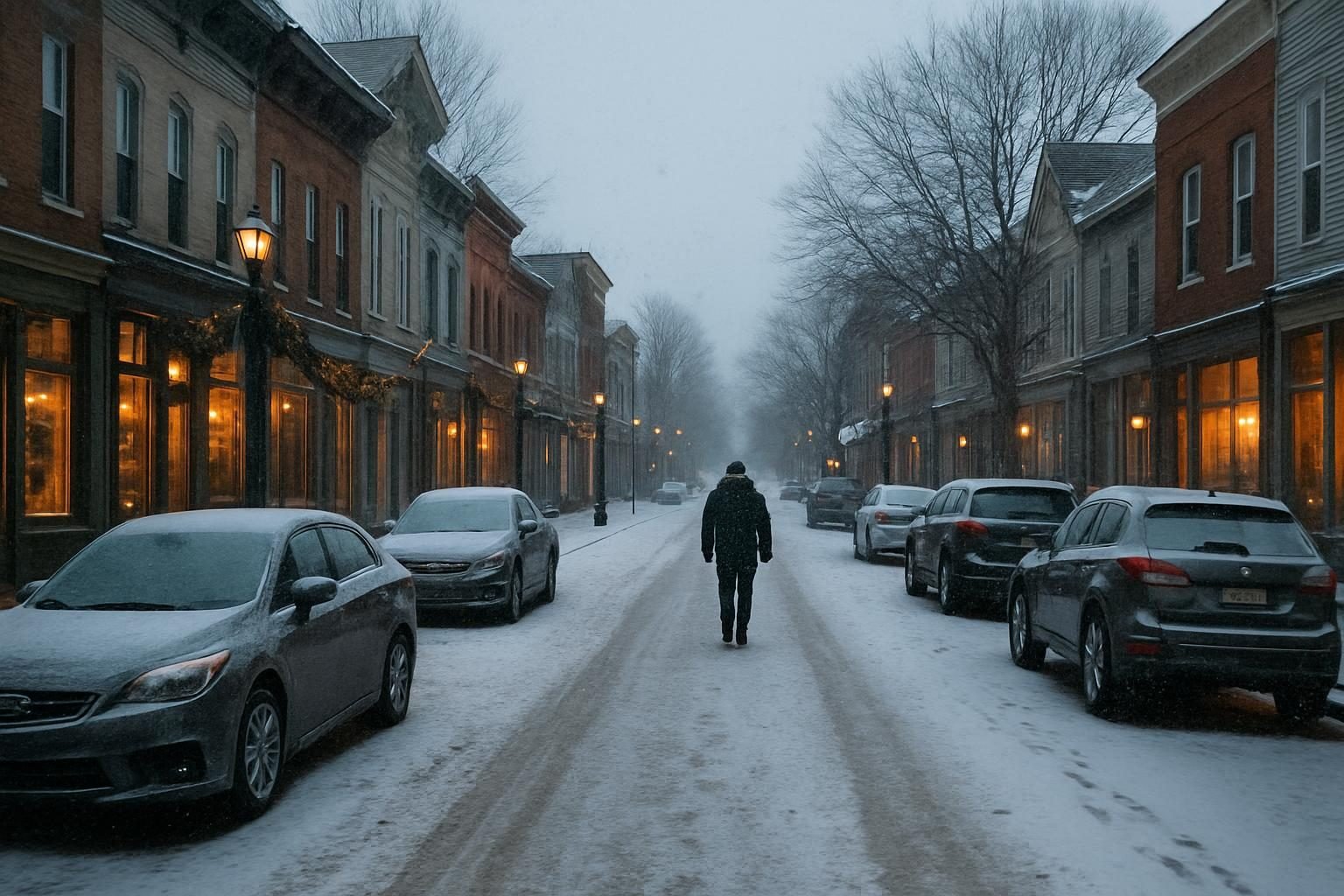
The Southtowns: Orchard Park, East Aurora, Hamburg and West Seneca
Orchard Park
Orchard Park is best known as the home of the Bills, but day to day it’s a quiet suburb of tree-lined streets, mixed housing and a well-regarded village center. Game days mean traffic and tailgating, and some residents love that, while others plan their errands around it. Our guide to living in Orchard Park goes deeper.
East Aurora
East Aurora is a genuine walkable small town, with a Main Street, the historic Roycroft campus and a strong local identity. It’s farther out than most suburbs here, so expect a longer commute, but many residents consider that part of the appeal. See living in East Aurora.
Hamburg
Hamburg combines a village core with Lake Erie shoreline communities and the Erie County Fairgrounds. Housing runs from village homes to lakeside cottages and newer subdivisions. Lake access is the big draw, but lakefront properties come with their own considerations, including erosion, flooding and insurance. Read living in Hamburg for more.
West Seneca
West Seneca is a practical, family-oriented suburb with a lot of single-family homes close to major roads. It tends to appeal to buyers who want suburban space without the price tag of the most sought-after school districts. Our profile on living in West Seneca has the rundown.
The Inner Ring and Everything Else: Kenmore, Tonawanda, Cheektowaga, Lancaster and Grand Island
Kenmore
Kenmore is a compact village with a walkable main street and older homes, right next to the city line. It’s popular with people who want village character and a short trip into Buffalo. See living in Kenmore.
Tonawanda
The City and Town of Tonawanda are separate places with different feels, though both are tied to the Niagara River and the Erie Canal. Housing is generally older and more modest. Our comparison of the City and Town of Tonawanda explains the difference.
Cheektowaga
Cheektowaga is a large inner-ring suburb with a lot of ranches and Cape Cods, strong Polish heritage and quick access to the Buffalo Niagara airport. It’s often one of the more affordable choices. Our profile on living in Cheektowaga covers it in depth.
Lancaster
Lancaster has a historic village center and a mix of older homes and newer developments in the surrounding town. It sits between the inner ring and the more rural east side of Erie County. See living in Lancaster.
Grand Island
Grand Island sits in the Niagara River between Buffalo and Niagara Falls. You get waterfront access, parks and a relaxed pace, but you also depend on the bridges. Check our guide to living in Grand Island before you commit.
Suburb or City Neighborhood?
If a suburb feels like too much driving, consider the city. Neighborhoods like Elmwood Village, North Buffalo, Parkside and South Buffalo offer older housing, walkable commercial strips and Olmsted park access. Our guide to the best neighborhoods in Buffalo compares those options, and our complete relocation guide walks you through the rest of the move.
Next Steps
- Shortlist two or three suburbs based on commute and housing type.
- Confirm school districts by address on each district’s official website.
- Drive the commute at rush hour, and visit in winter if you can.
- Compare total tax bills and home insurance, not just list prices.
When you’re ready to look at homes, use the form on this page to connect with a vetted local real estate agent.
FAQ: Best Suburbs of Buffalo, NY
What is the best suburb of Buffalo for families?
It depends on your priorities. Williamsville, Clarence and Orchard Park are common starting points for families focused on schools, while West Seneca, Lancaster and Cheektowaga often offer more affordable homes. Visit district websites and tour neighborhoods before deciding.
Which Buffalo suburbs are the most walkable?
Kenmore, East Aurora and the Village of Williamsville all have walkable centers. Hamburg and Lancaster also have village downtowns, though most daily errands in those places still involve a car.
Which suburbs have the shortest commute to downtown Buffalo?
Kenmore, Tonawanda, Cheektowaga and parts of Amherst and West Seneca are typically the closest. Actual drive times depend on your route and the hour, so test your own commute.
Do Buffalo suburbs get more snow than the city?
It varies from storm to storm. Lake-effect bands can hit the Southtowns harder, including Orchard Park, East Aurora and West Seneca, but in other storms the north suburbs get hit. Plan for snow anywhere in the region.
Are suburban property taxes high in Western New York?
New York property taxes are generally significant, and the rate differs by town, school district and village. Ask your agent for the full tax bill on any home you’re considering.
Talk to a vetted Buffalo-area real estate agent
A vetted local agent will reach out to discuss your search, with no obligation.

