
If you have lived through a Western New York winter, you know the sound: wind howling off the lake, a flicker, then silence. A standby generator is a permanently installed unit that senses a power failure and restores electricity to your home automatically, usually within seconds, with no extension cords and no trips to the garage in a blizzard. This guide covers why outages matter so much here, how standby units compare to portables, how to size one, and what installation really involves, from the natural gas hookup to permits and carbon monoxide safety.
Quick answer: A standby generator runs on your home’s natural gas line (or propane), starts itself during an outage, and powers your furnace, sump pump, fridge and other essentials through a transfer switch. Most Buffalo homes are well served by a unit sized between roughly 10 and 24 kilowatts, installed by a licensed electrician and gas fitter with a permit and inspection. Typical installed costs often run into the five figures, so get several written quotes and size the unit to your actual electrical load.
Ready to price one out? You can request generator installation help from a vetted local pro using the form on this page.
Why Outages Matter More in Buffalo Winters
A power outage in July is an inconvenience. In January it is a household emergency. Your gas furnace needs electricity to run its blower and ignition, so even homes with gas heat go cold without power. Pipes can start freezing within hours once indoor temperatures sink, and our winter lows and wind chills make that a real risk rather than a theoretical one.
Heavy, wet lake-effect snow and ice load up tree limbs and power lines, and the damage tends to hit older neighborhoods with mature trees hardest. If you want the bigger picture of how a storm unfolds, our local guide to lake-effect snow is a good companion read.
Outages also set off a chain of other problems:
- Frozen and burst pipes when the heat stays off for a long stretch (see our guide to burst pipe repair after a winter freeze).
- Sump pump failure during a thaw or heavy rain, which is how basements flood.
- Spoiled food in the fridge and chest freezer.
- Medical equipment that depends on power, such as oxygen concentrators.
In a Buffalo January, losing power means losing heat, and that clock starts ticking fast.

Standby vs Portable Generators
Plenty of Buffalo households own a portable generator that lives in the garage and comes out when the lights go dark. They work, but they ask a lot of you at the worst possible moment. Here is how the two compare.
| Factor | Standby generator | Portable generator |
|---|---|---|
| Startup | Automatic within seconds | Manual: haul out, fuel, start |
| Fuel | Natural gas or propane, continuous supply | Gasoline or propane, refueled by hand |
| What it powers | Selected circuits or the whole house | Whatever you plug into it |
| Upfront cost | Higher, with professional installation | Much lower |
| Carbon monoxide risk | Lower, since it is permanently placed outdoors | Higher, especially if misused near the house |
| Best for | Long outages, travelers, medical needs, finished basements | Short outages and budget setups |
The deciding question is usually how often you are home and how long outages last where you live. If you travel in winter or have someone in the house who relies on powered medical equipment, automatic startup is the main selling point. If outages in your area are rare and brief, a portable with a properly installed inlet and interlock may be enough.
How to Size a Standby Generator
Generators are rated in kilowatts (kW). Too small and it will struggle or shut down under load; too large and you pay for capacity you never use. The right size comes from adding up what you actually want running during an outage, paying special attention to motors, which draw extra power for a moment when they start.
Start with your must-haves
Make a list and rank it. Most Buffalo homeowners start with this core group:
- Furnace or boiler controls and blower (see our notes on boiler repair and replacement decisions if your heating system is aging).
- Sump pump and any battery backup system.
- Refrigerator and chest freezer.
- Lights, outlets for phones and a few key rooms.
- Well pump if you are on private water, which is more common in outlying areas than in the city proper.
Decide partial vs whole-house
A smaller unit with a load-managed transfer panel covers essentials and is typically the more economical route. A larger unit can carry central air conditioning, an electric range, an electric dryer and more, but you pay for that capacity in both purchase price and fuel. Whole-house coverage tends to make the most sense for larger homes in places like Clarence, East Aurora and Orchard Park, where big square footage and heavier electrical loads are common.
An installer or electrician should perform a proper load calculation rather than guessing. If your home has an older or maxed-out service, you may also need an upgrade first; our planned guide to electrical panel upgrades in Buffalo homes covers the warning signs.
Local tip: Before you get quotes, walk through your house during a cold evening and write down everything you would truly miss if the power went out for three days. Handing installers that list gets you a more accurate size and a more honest price than asking for a generic whole-house unit.
Natural Gas Hookup, Fuel and Placement
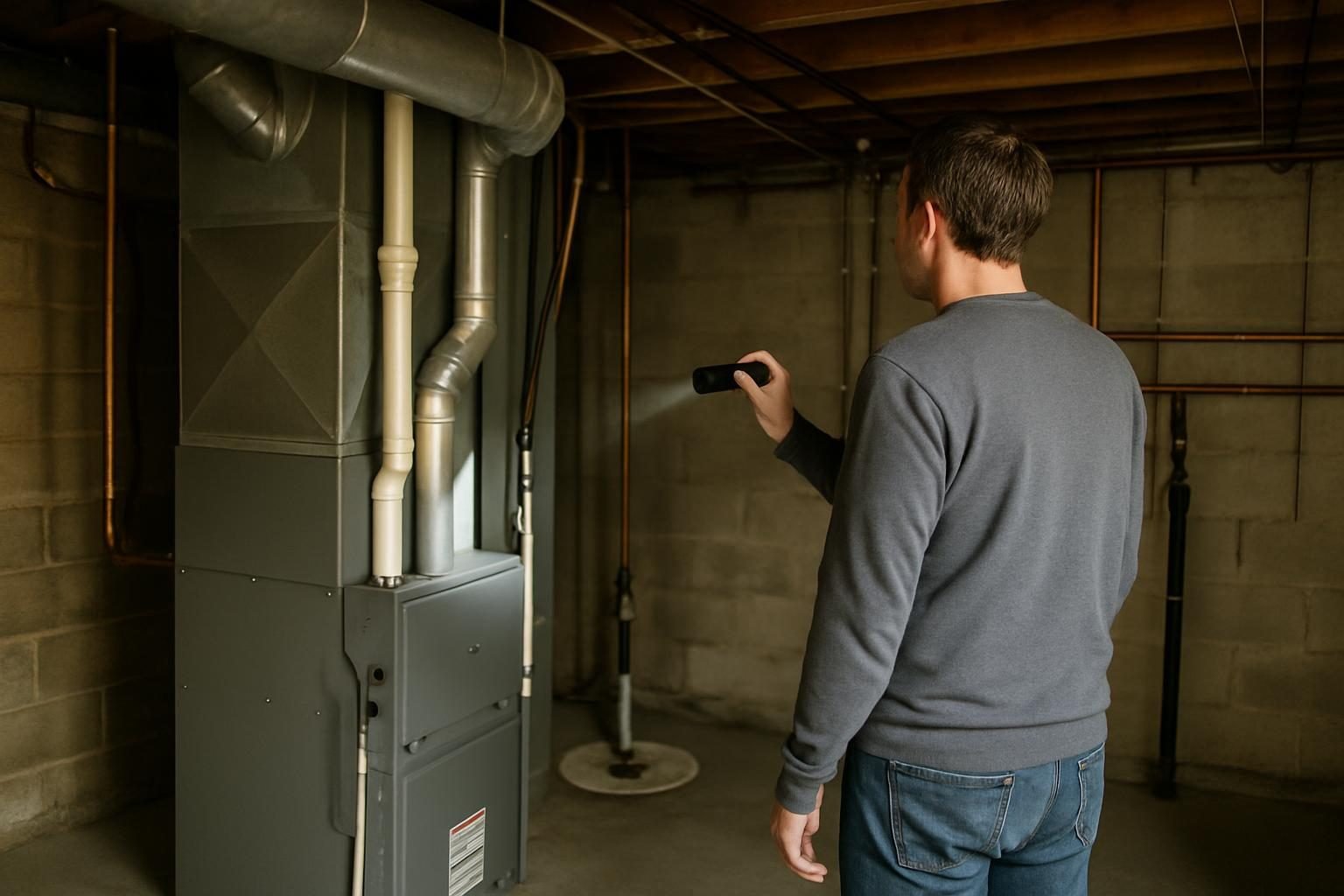
Most standby generators in our area run on natural gas because the supply is already piped to the house and never runs out the way a propane tank can. That convenience comes with two checks. First, your gas meter and service line must be able to deliver enough volume to feed both your existing appliances and the generator at the same time. Second, the gas utility may need to be involved if the meter or service needs upgrading.
Propane is the alternative for homes without gas service. It stores well and burns cleanly, but you will need an adequately sized tank and a refill plan, and a long outage can deplete it.
Where the unit goes
Generators sit outside on a stable pad, and local code sets minimum distances from windows, doors and air intakes, along with property lines. On Buffalo’s narrow city lots, in areas like Black Rock, the West Side or South Buffalo, finding a compliant spot can be the hardest part of the job. Suburban lots in Amherst, Lancaster or Hamburg usually offer more room.
Keep snow in mind too. A unit buried under a drift or a roof avalanche can choke on its own exhaust or fail to cool. Installers familiar with our winters will place it where snow slides will not bury it and where you can clear around it easily. Your snow removal arrangements should account for a clear path to the unit as well.
The best generator spot is the one that stays clear of snow, windows and neighbors.
Permits, Transfer Switches and Hiring an Installer
A standby generator is not a do-it-yourself weekend project. The installation involves your home’s main electrical system and a gas line, so it needs permits, licensed trades and inspections. Requirements differ between the City of Buffalo and surrounding towns and villages, so confirm current rules with your local code office before work begins.
The transfer switch
The automatic transfer switch is the brain that connects the generator to your home. It detects the utility outage, starts the generator, and isolates your house from the grid so power cannot flow backward onto the lines. That isolation protects utility workers repairing downed lines after a storm, which is the reason a transfer switch is required and why you should never wire a generator into an outlet. Skipping it is both illegal and dangerous.
What to look for in an installer
- Licensed and insured electricians and gas fitters, with proof you can verify.
- A written quote that spells out the unit, transfer switch, gas work, permits and inspection.
- A load calculation rather than a one-size-fits-all pitch.
- Clear warranty and service terms, plus a maintenance plan.
- Experience with Western New York conditions, including snow and cold-weather starting.
Costs vary widely with unit size, gas line distance, electrical work and site conditions, and installed prices commonly fall into a broad range, so treat any single number as an estimate. Our guide on how to hire a plumber in Buffalo offers a useful template for vetting trades, and the same habits apply here: get multiple quotes, ask for licenses, and avoid anyone pushing a same-day deposit.
Carbon Monoxide Safety and Maintenance
Carbon monoxide (CO) is odorless and deadly, and outages are exactly when it spikes, because people run generators in the wrong places. Even a permanently installed unit needs respect. Keep it outdoors and well away from windows, doors and vents, and never operate any generator in a garage, basement or enclosed porch.
- Install battery-backed or plug-in CO alarms with battery backup on every level and near bedrooms.
- Test your alarms before winter and replace batteries on schedule.
- Keep snow cleared from the generator’s exhaust and intake areas during storms.
- If an alarm sounds or anyone feels dizzy or nauseated, get everyone outside and call 911.
Local tip: Add your generator to your fall routine. Run a test cycle, check the oil, and make sure the area is clear before the first heavy snow, the same time you would handle fall gutter cleaning and other items on our seasonal home maintenance checklist.
Standby units need regular upkeep, typically annual service that includes oil, filters and a battery check. Most come with a weekly self-test that briefly exercises the engine, and that quiet hum is normal. Skipping maintenance is how a generator fails on the one night you need it.
Protecting the Rest of Your Home
A generator is one layer of storm readiness, not the whole plan. Pair it with a sump pump with battery backup, keep an eye on storm-damaged trees near your service line, and know who to call if something goes wrong. Our guide to what counts as an emergency plumber call helps you decide quickly when the heat has been off too long. For more on the costs of keeping a Buffalo home running through winter, see our look at the cost of living in Buffalo.
When you are ready to move from research to a real quote, you can request generator installation help from a vetted local pro using the form on this page.
Frequently Asked Questions
How much does a standby generator cost in Buffalo?
Installed prices vary a lot with unit size, gas line length, electrical work and permits, and commonly land in the five-figure range for larger systems. Treat any figure as a rough estimate and compare at least three written quotes that itemize the unit, transfer switch, gas work and inspection.
Do I need a permit to install a standby generator?
Yes, in most cases. Electrical and gas work generally require permits and an inspection, and rules differ between Buffalo and surrounding towns. Confirm current requirements with your local code office, and be wary of any installer who suggests skipping the permit.
Can a standby generator run my whole house?
It can, if the unit is sized for it. Larger whole-house models can carry central air, electric ranges and dryers, while smaller units use load management to cover essentials. A load calculation from a qualified installer tells you which approach fits your home and budget.
How long can a natural gas generator run?
As long as the gas supply keeps flowing, since it draws from your home’s line rather than a tank. Propane units are limited by tank size. Either type still needs routine maintenance, and it should not be run through very long outages without checking oil levels and service intervals.
Is a portable generator good enough?
For short, occasional outages, it can be. It demands manual setup, constant refueling and strict carbon monoxide discipline. If you travel, have medical needs, or live where outages run long, automatic standby power is the safer and more convenient choice.
Get free generator installation quotes from Buffalo pros
A vetted local pro will reach out with a free, no-obligation quote for your home.

