
If you are weighing a move, the question is Buffalo, NY a good place to live deserves a straight answer, not a brochure. Buffalo is a real, working, four-season city with genuine strengths and genuine trade-offs, and which side of the ledger matters more depends on who you are.
Quick answer: Yes, for many people. Buffalo offers housing that is cheaper than most major metros, a strong food and neighborhood culture, and easy access to Lake Erie, Olmsted-designed parks and big-league sports. The trade-offs are long gray winters, high property taxes, car dependence outside the core, and neighborhoods that vary a lot from block to block. If you can live with those, Buffalo is a very livable city.
Below we break down what locals love, what they grumble about, and how to decide whether Buffalo fits your life. Think of this as the hub for your decision, with deeper guides linked along the way.
If you are already leaning toward buying, you can request help from a vetted local real estate agent using the form on this page.
The short version: who Buffalo works best for
Buffalo tends to reward people who want space, community and a lower cost of living without giving up arts, restaurants and pro sports. It is a city where a teacher, a nurse, a remote worker or a young family can often afford a home with a yard, a porch or a driveway.
It tends to frustrate people who expect a 24-hour transit-first city, or who dread cold and gray weather every year. Here is a quick comparison to frame the rest of the article.
| Buffalo tends to suit you if… | Buffalo may be a harder fit if… |
|---|---|
| You want a home you can realistically afford | You need the career density of NYC, Boston or Chicago |
| You like distinct neighborhoods with local bars and bakeries | You want to live entirely car-free in any neighborhood |
| You enjoy seasons, including a real summer | Cold, cloudy winters seriously affect your mood |
| You love sports, festivals and a big-small-town feel | You want a fast, anonymous, always-on metropolis |
Buffalo rewards people who want space, community and a real neighborhood without a coastal price tag.
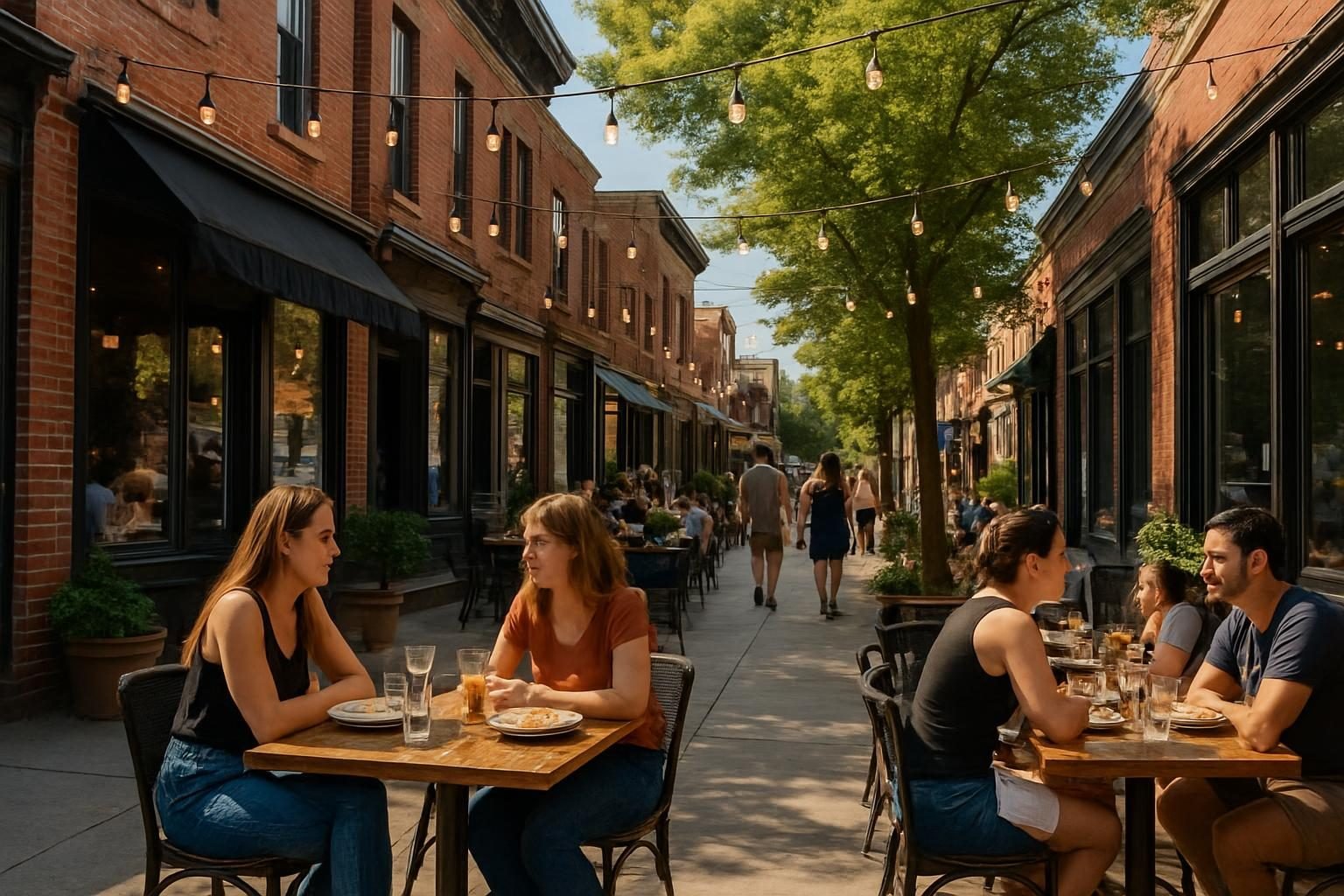
The pros: why people love living in Buffalo
Housing that is still within reach
Compared with most large metros in the Northeast and on the coasts, Buffalo housing is notably more affordable, whether you rent or buy. That affordability is the single biggest reason newcomers come, and it is why people who left for bigger cities often find their way back. For current numbers and typical ranges, see our guide to the cost of living in Buffalo, and for the market itself, our explainer on the average home price in Buffalo.
Real neighborhoods with real character
Buffalo is a city of neighborhoods, each with its own rhythm. Elmwood Village and Allentown are walkable and packed with cafes, shops and historic homes. North Buffalo and Parkside offer leafy streets and a quieter residential feel, while Hertel, Black Rock, Riverside and South Buffalo each have a strong local identity. Our guide to the best neighborhoods in Buffalo sorts them by lifestyle.
Food and drink that punch above their weight
This is a city that takes eating seriously, and not just wings. You will find beef on weck, Friday fish fries, sponge candy, Italian bakeries, Polish and Lebanese spots on the East and West Sides, and a thriving craft beer scene. If you want a taste before you commit, start with our guides to beef on weck and the Friday fish fry tradition.
Lakes, parks and a revived waterfront
Frederick Law Olmsted designed Buffalo’s park system, and it shows: Delaware Park, Martin Luther King Jr. Park and Cazenovia Park are woven into daily life. Canalside and the waterfront have been transformed, Lake Erie offers beaches and sunsets, and the Southtowns and Niagara region are close for hiking, skiing and wine country day trips. Browse the full things to do in Buffalo list for more.
Sports, festivals and a community feel
The Bills and Sabres are a civic identity, and Sundays at Highmark Stadium are an event in themselves. Summer fills the calendar with festivals, farmers markets and outdoor concerts. Many newcomers say Buffalo feels bigger than a small town but friendlier than a big city, and a game day is the fastest way to see it. Our Bills game day guide covers parking and tailgating.
The food scene alone, from beef on weck to Friday fish fries, makes Buffalo feel bigger than its size.
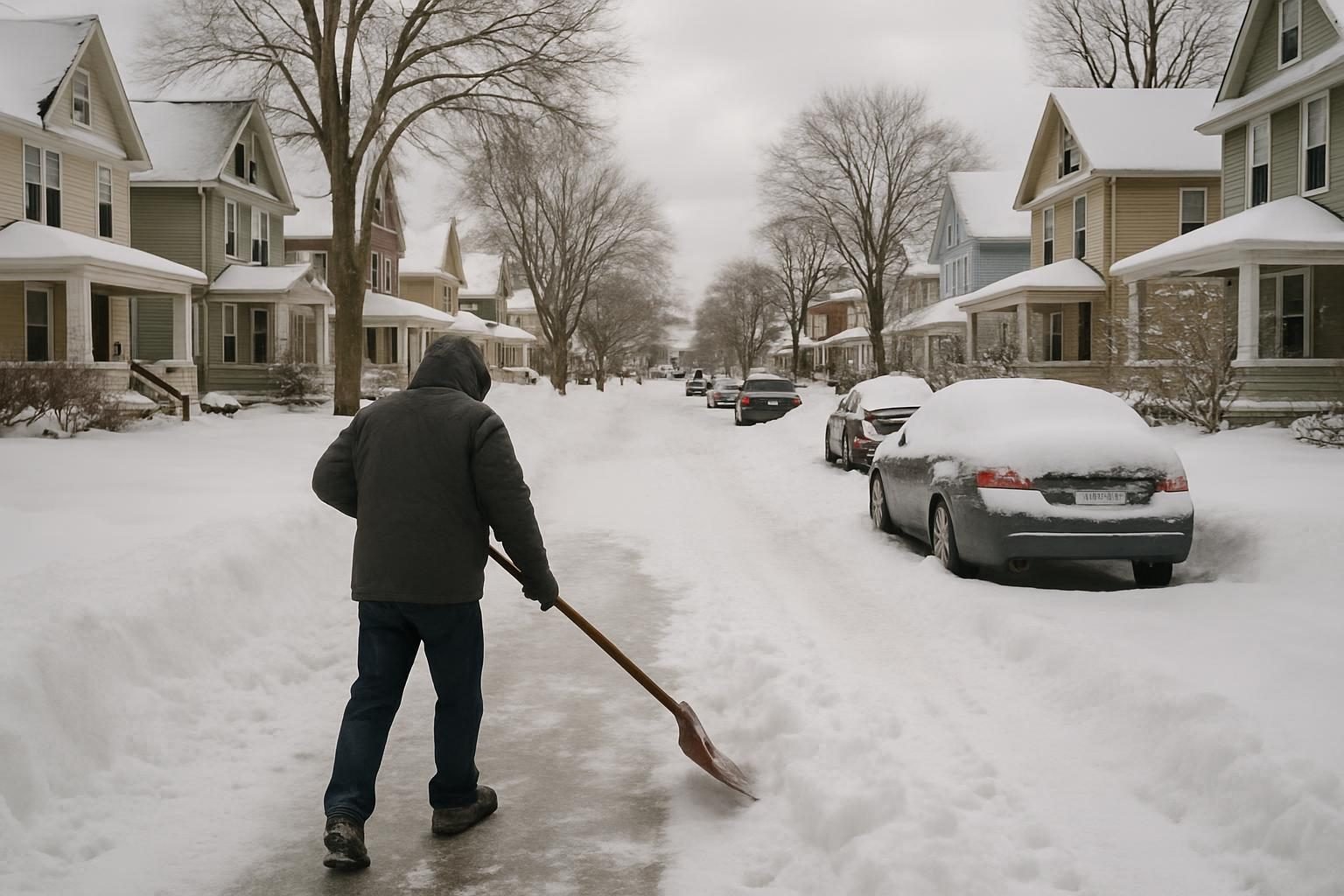
The cons: what to be honest about before you move
Winter is long, and it matters
Buffalo’s reputation for snow is partly overblown and partly earned. Lake-effect storms can be intense and localized, and the bigger everyday issue is the length of the gray season, which can run from November into April. Locals adapt with good tires, good boots and a shovel or snowblower, but it is a lifestyle adjustment. Read our lake-effect snow survival guide and the month-by-month weather breakdown before you decide.
Property taxes are a real cost
Home prices are low, but property tax rates in New York State are high relative to home values, and they vary by municipality and school district. A cheap sticker price does not tell the whole monthly story. Look closely at property taxes in Buffalo and Erie County when comparing a city address with a suburban one.
Car dependence outside the core
You can live fairly car-light in Elmwood Village, Allentown or downtown, but most of Western New York is built around driving. Public transit exists, with a limited Metro Rail line and bus network, and it is not a substitute for a car in most suburbs. Plan on at least one vehicle, and see our upcoming guide to getting around Buffalo.
Uneven neighborhoods and a smaller job market
Buffalo’s history of segregation and disinvestment means conditions can change significantly from one block to the next, and some areas have struggled for decades. Do not rely on generalizations; visit at different times of day and talk to people who live there. We will explain how to judge it yourself in our guide to the safest neighborhoods in Buffalo and nearby suburbs. The job market is solid in healthcare, education, finance and manufacturing but narrower than in a mega-metro; our guide to jobs and major employers in Buffalo is the place to dig in.
Local tip: Visit once in January or February before you commit. If you still like the city when it is gray, cold and slushy, you will love it in July.
Older homes: character and maintenance
Much of Buffalo’s housing stock is a century old or more, which is part of the charm: woodwork, porches, stained glass and solid construction. It also means older systems and cold-climate wear. Owners should budget for roofs, chimneys, drainage and plumbing as part of regular upkeep.
The most common issues new owners run into are worth knowing up front:
- Roofs and ice dams: see our guides to ice dams and roof repair vs. replacement.
- Frozen and aging plumbing: read about frozen pipes before your first winter.
- Wet basements and foundations: check sump pumps and foundation cracks.
- Seasonal upkeep: our home maintenance checklist keeps it manageable.
A good local agent and a thorough inspector are worth a lot here. If you are exploring ownership, our first-time buyer’s roadmap walks through the process, and you may also want to look at SONYMA and other first-time buyer programs.
Low home prices come with higher property taxes and older houses, so budget for both before you fall in love.
City or suburb? Choosing where in Western New York
Part of the answer to whether Buffalo is a good place to live is where in the region you land. The city offers walkability, architecture and nightlife, while the suburbs trade some of that for space, parking and school-district options.
Inner-ring suburbs such as Kenmore, Tonawanda and Cheektowaga are closer in and often more affordable, while Amherst, Williamsville, Orchard Park, Clarence, Hamburg and East Aurora are popular with families who want larger lots and different school districts. Grand Island and West Seneca offer yet other trade-offs. Our guide to the best Buffalo suburbs compares them, and if schools are a priority, watch for our Buffalo area schools guide.
A quick way to narrow it down
- Decide whether you want to walk to coffee and restaurants, or drive everywhere.
- Set a total monthly housing budget that includes taxes and utilities, not just a mortgage or rent.
- Map your commute, since Buffalo’s traffic is mild but winter driving is a factor.
- Tour your top two or three areas on a weekday evening and a weekend morning.
If you are not ready to buy, renting an apartment for a year is a smart way to test neighborhoods first. Moving from downstate? We are putting together a guide to moving from NYC to Buffalo.
So, is Buffalo a good place to live?
For people who value affordability, community, food, parks and a distinct sense of place, Buffalo is an excellent place to live. For people who need a huge job market, a car-free life in any neighborhood, or relief from winter, it will take more compromise.
The best next steps are to read our complete relocation guide, run the numbers using the cost of living breakdown, and line up help for the move itself with our tips on hiring movers in Buffalo.
When you are ready to look at homes, request a vetted local real estate agent through the form on this page and get matched with someone who knows the neighborhoods you are considering.
FAQ: Living in Buffalo, NY
Is Buffalo, NY a good place to live for young professionals?
Often yes. Neighborhoods like Allentown, Elmwood Village, Larkinville and the Canalside area offer restaurants, breweries, events and reasonable rents compared with larger cities. Career options are strongest in healthcare, education, finance, engineering and a growing tech and startup scene.
Is Buffalo a good place to raise a family?
Many families thrive here, thanks to affordable homes, parks, museums and a strong sense of community. School quality varies widely by district, so research specific schools and suburbs rather than relying on reputation.
How bad are Buffalo winters really?
Winters are long and cloudy, with a few significant lake-effect snow events each season, though many winters are less dramatic than the reputation suggests. Summers are warm and sunny, and fall is often beautiful. Prepare with snow tires, a plan for snow removal and a well-maintained home.
Do I need a car to live in Buffalo?
In most of the region, yes. A handful of walkable neighborhoods make car-light living possible, but suburbs and many job centers are built around driving.
Is Buffalo cheaper than other cities?
Housing is generally much cheaper than in major coastal metros, though property taxes and winter heating costs offset some of the savings. Costs vary by neighborhood, so treat any figure as a typical range and verify current numbers.
Get matched with a vetted Buffalo real estate agent
A vetted local agent will reach out to talk through your goals, budget and the Buffalo neighborhoods that fit.

