If you’re buying a house in Buffalo, NY, you’re shopping in one of the more approachable markets in the Northeast, but one with its own quirks. The housing stock is old and full of character, the process involves a real estate attorney, and winter has opinions about every home you’ll tour. This roadmap walks you through the steps from pre-approval to closing, and flags what’s different here.
Quick answer: Buying a house in Buffalo, NY follows seven steps: get a mortgage pre-approval, hire a real estate agent, search and make an offer, hire a New York real estate attorney, order a home inspection, complete the appraisal and mortgage underwriting, then close. Expect the process to take roughly 30 to 60 days from accepted offer to keys, and budget for closing costs on top of your down payment. Many buyers also qualify for state or local first-time buyer help, but verify current programs before you plan around them.
Buying with a pro in your corner makes this much smoother, especially if you’re new to the area. If you’d like help, you can request a vetted local real estate agent using the form on this page.

Step 1: Get Pre-Approved Before You Tour Anything
Pre-approval tells you what a lender will actually let you borrow, and it tells sellers you’re serious. In a market where well-priced homes in popular areas can draw multiple offers, a pre-approval letter is basically your ticket to the open house.
Talk to more than one lender. Compare a local bank or credit union, a mortgage broker and a big national lender. Look at interest rates, fees and how quickly they respond, because a slow lender can sink a deal on a tight timeline.
Before you apply, gather the basics:
- Two years of tax returns and W-2s
- Recent pay stubs and bank statements
- A list of debts, including student loans and car payments
- A sense of your credit score, since it affects both approval and rate
Don’t forget to ask what your total monthly payment would look like, including property taxes and homeowners insurance. In Western New York, taxes vary a lot by municipality, so see our guide to property taxes in Buffalo and Erie County and run the real numbers for any home you’re serious about.
Step 2: Pick Your Agent and Your Area
A good agent knows which blocks are quietly improving, which streets flood in spring, and which sellers will negotiate. Interview a couple of agents, ask how many buyers they’ve represented in your target area, and ask how they handle older homes. If you’re relocating, our guide to choosing a real estate agent when you’re relocating to Buffalo covers what to ask.
Then narrow the map. Buffalo proper and the suburbs offer very different tradeoffs in price, lot size, commute and taxes. Start with our guide to the best neighborhoods in Buffalo if you want city life, or the best suburbs of Buffalo if you want a yard and a garage. For a closer look at two popular suburban choices, see living in Amherst and living in Orchard Park.
The right Buffalo home depends as much on the block, the taxes and the snow as on the house itself.
Step 3: Search, Tour and Make an Offer
Prices in Buffalo are generally lower than in many Northeast metros, which is a big reason people move here. For a look at where the market stands, see our explainer on the Buffalo housing market. Prices swing widely by neighborhood and suburb, so rely on recent comparable sales from your agent rather than a single citywide number.
When you tour, look past the staging. Check the basement walls, the roofline, the windows, the furnace age and how the home handles water. Take photos and notes, because five houses will blur together by the weekend.
When you’re ready to offer, your agent will help you set a price, decide on contingencies and write the offer. Typical terms include your offer price, your deposit, your financing and inspection contingencies and a target closing date. In New York, a signed offer is not yet a binding contract, which is where your attorney comes in.
Step 4: Hire a New York Real Estate Attorney
This is the step that surprises buyers from other states. In New York, an attorney is a standard part of buying a home, and in practice you’ll want one before you sign a contract. Your attorney reviews and negotiates the purchase contract, orders and reviews the title search, handles the legal side of your mortgage paperwork and represents you at closing.
Hire your attorney right after your offer is accepted, or even before you make one. Ask about their flat fee and what it covers, and choose someone who does a lot of residential closings in Erie County.
Local tip: Ask your attorney to review the contract before your inspection and attorney-review windows close, and keep every deadline on a shared calendar. Missing one can cost you leverage or your deposit.
Step 5: Inspection, and Why It Matters More Here
Always get a home inspection. Buffalo’s housing stock is old, and an inspection is your best chance to learn what you’re really buying. For what to expect on the day and how to pick an inspector, see our guide to home inspection in Buffalo.
Depending on the home, consider add-ons such as a sewer line scope, radon testing, a chimney inspection, and checks for pests or mold. These are typically separate from the main inspection and cost extra, so ask upfront.
Use the report to negotiate repairs, a credit or a price reduction. Not every flaw is a dealbreaker, but a failing roof, a cracked foundation or knob-and-tube wiring deserves a real conversation and a contractor’s estimate.
Buffalo housing stock quirks to watch for
Much of the city was built long before modern codes, and that shapes what you’ll find inside the walls. Here’s what to look for:
| Issue | Why it comes up in Buffalo | What to do |
|---|---|---|
| Older roofs | Freeze-thaw cycles and heavy snow wear roofs down fast | Get the roof’s age and a roofer’s opinion; see our guides on roof repair vs. replacement and roof replacement cost |
| Ice dams | Poor attic insulation and ventilation in older homes | Check attic insulation; read our ice dams guide |
| Frozen or old pipes | Cold snaps hit exterior walls and unheated spaces | Ask about plumbing materials and past freezes; see frozen pipes in Buffalo |
| Wet basements | Stone and block foundations, older drainage | Look for water stains, efflorescence and sump pumps |
| Outdated wiring | Some pre-war homes still have knob-and-tube or small panels | Have an electrician evaluate before closing |
| Lead paint | Common in homes built before 1978 | Ask about testing and disclosures |
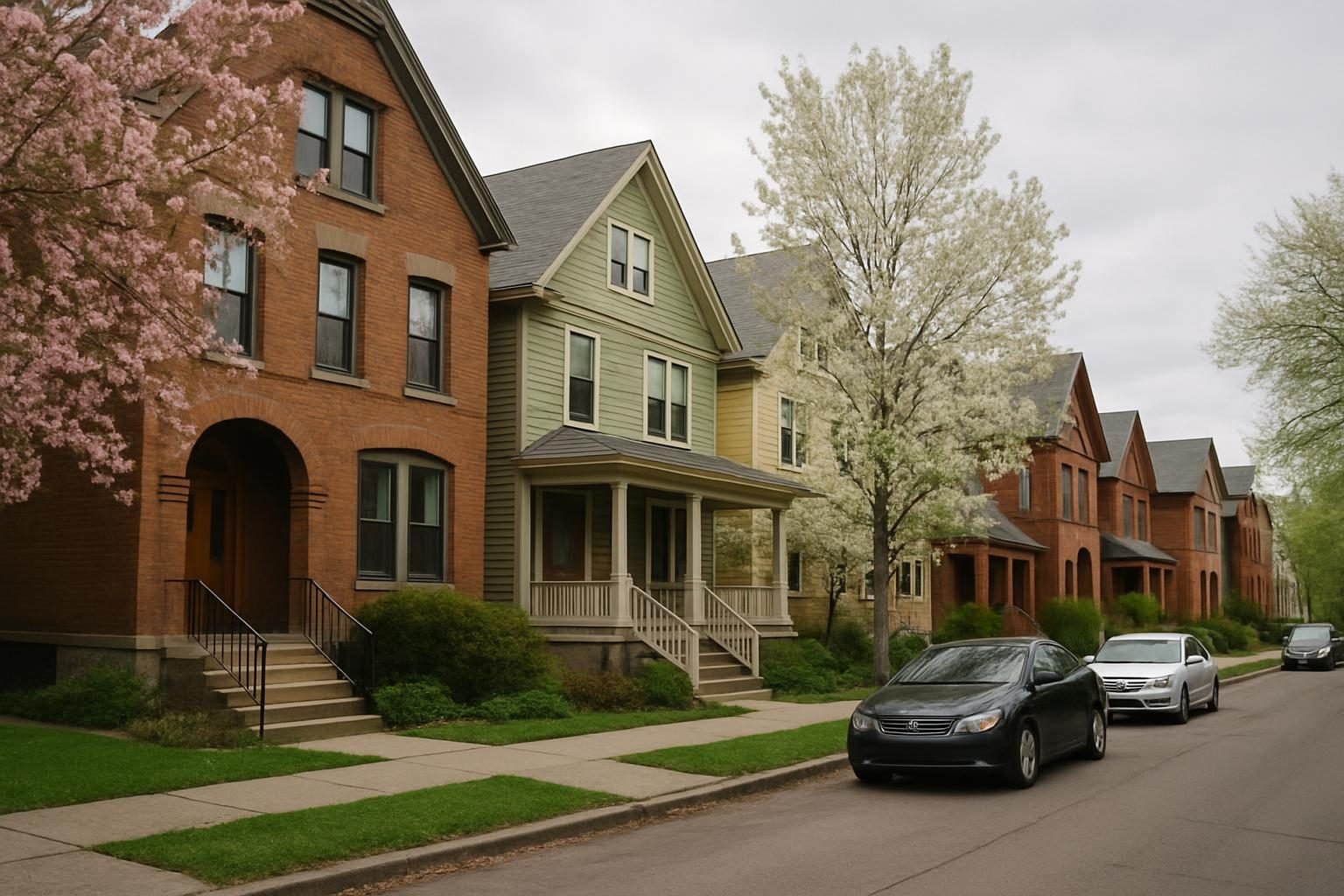
Older homes also bring charm: original woodwork, porches and generous lots in neighborhoods like Parkside and North Buffalo. Our guide to buying an older home in Buffalo goes deeper on what to check.
A character-rich Buffalo house is a great buy only if you inspect it like a skeptic.
Singles, doubles and multi-family homes
Buffalo is famous for its doubles, two-family houses with a unit up and a unit down. Many first-time buyers live in one unit and rent the other, which can help cover the mortgage. If that appeals to you, read about buying a double in Buffalo, and ask your lender early how rental income is treated in your approval.
Step 6: Appraisal, Underwriting and Insurance
Once your inspection is settled, your lender orders an appraisal to confirm the home is worth the price you agreed to pay. If it comes in low, you can renegotiate, bring extra cash to cover the gap or, in some cases, walk away under your financing contingency.
While that happens, your loan goes through underwriting. Respond quickly to every request for documents, and avoid big changes: don’t switch jobs, open new credit cards or make large purchases until you’ve closed.
Line up homeowners insurance during this window, since your lender will require proof of coverage. Ask about coverage for water backup and sewer issues, which matter in older Buffalo homes, and about flood coverage if the property sits near water or in a low area.
Step 7: Closing Day
Closing is when you sign the final paperwork, pay your remaining costs and get the keys. You’ll typically do a final walk-through within a day or two beforehand to make sure the home is in the agreed condition and any negotiated repairs were completed.
Bring a valid photo ID and your certified funds or wire confirmation as your attorney instructs. Always confirm wiring instructions by calling a number you already trust, since wire fraud targets homebuyers.
What to budget beyond the down payment
- Closing costs: typically a few percent of the purchase price, covering lender fees, title insurance, attorney fees and prepaid taxes and insurance
- Inspection and testing: usually a few hundred dollars for the main inspection, plus add-ons
- Moving costs: see how much movers cost in Buffalo
- A repair cushion: older homes almost always need something in year one
All of these are rough ranges that vary by lender, loan type and property, so ask for a loan estimate and your attorney’s fee in writing.
Local tip: If you close in late fall or winter, ask about the furnace, the snow plan and who clears the driveway before move-in. Our guide to snow removal services in Buffalo helps you line up help.
First-Time Buyer Help in New York and Buffalo
There are state and local programs that can help with down payments, closing costs and interest rates. These typically include offerings through the State of New York Mortgage Agency (SONYMA), plus programs run by Erie County and the City of Buffalo, and nonprofit housing counseling agencies. Income limits, purchase price limits, property location rules and homebuyer education requirements usually apply.
Program terms and funding change often, so verify everything directly with the agency or an approved lender before you count on it. Our guide to first-time home buyer programs for Buffalo buyers will be your starting point for the details.
Many programs require you to complete a homebuyer education course and work with a participating lender, so ask about this at the very start. Starting the conversation early keeps you from finding a house you love and then learning you needed a specific lender.
Moving In and Settling Down
Once you have the keys, the real homeownership education begins. Buffalo weather is a part of it, so skim our Buffalo home maintenance calendar and our winter survival guide before the first snowfall.
If you’re coming from out of town, start with our complete relocation guide to Buffalo for the bigger picture, and check cost of living in Buffalo to plan your ongoing budget. Then go enjoy the place you just bought into, from a Friday fish fry to a Bills game day.
Ready to start your search with someone who knows the local market? Request help from a vetted local real estate agent through the form on this page.
Frequently Asked Questions
Do I need a lawyer to buy a house in Buffalo, NY?
Legally you may not be required to, but in practice it’s standard in New York and strongly recommended. Your attorney reviews the contract, handles the title work and represents you at closing.
How long does it take to buy a house in Buffalo?
Searching can take anywhere from a few weeks to several months. From an accepted offer to closing, plan on roughly 30 to 60 days, depending on your loan, inspection results and appraisal timing.
How much do I need for a down payment?
It depends on your loan type. Some conventional loans allow low down payments, and government-backed and state programs may allow even less, but a larger down payment can lower your monthly cost. Ask your lender to compare options for your situation.
Is it a good time to buy in Buffalo?
Buffalo has generally been more affordable than many other Northeast markets, but conditions shift with interest rates and inventory. Your agent can show you current local trends, and our guide on whether Buffalo is a good place to live can help you decide if the city fits your life.
Should I buy in the city or the suburbs?
It comes down to lifestyle and budget. The city offers walkable neighborhoods and older architecture, while suburbs often offer newer homes and larger lots. Tour both and compare taxes, commute and winter logistics before deciding.
Find a vetted Buffalo real estate agent for your home search
A vetted local agent will reach out to talk through your goals and budget, with no obligation.

