
If you have lived through even one real lake-effect storm, you know the question isn’t whether you need help with snow. It’s who will actually show up at 5 a.m. when the driveway is buried and the street plow has just left a wall at the end of it. Finding reliable snow removal services in Buffalo, NY is one of those home decisions that feels small in October and enormous in January.
Quick answer: For most Buffalo homeowners, a seasonal contract with a written trigger depth (commonly around 2 to 3 inches), proof of liability insurance, and a clear damage policy is the safest way to hire. Per-push pricing suits low-use driveways or people who travel a lot. Always confirm who handles walkways and ice, because plowing alone doesn’t cover them.
Need someone lined up before the first big storm? Request help from a vetted local snow removal pro using the form on this page.
Plowing vs. Shoveling vs. Ice Management
These get lumped together, but they are three different jobs, and many companies only do one or two. Knowing the difference keeps you from assuming you are covered when you are not.
- Plowing: A truck or ATV-mounted blade clears the driveway and sometimes a parking pad. Fast and efficient, best for long or wide driveways.
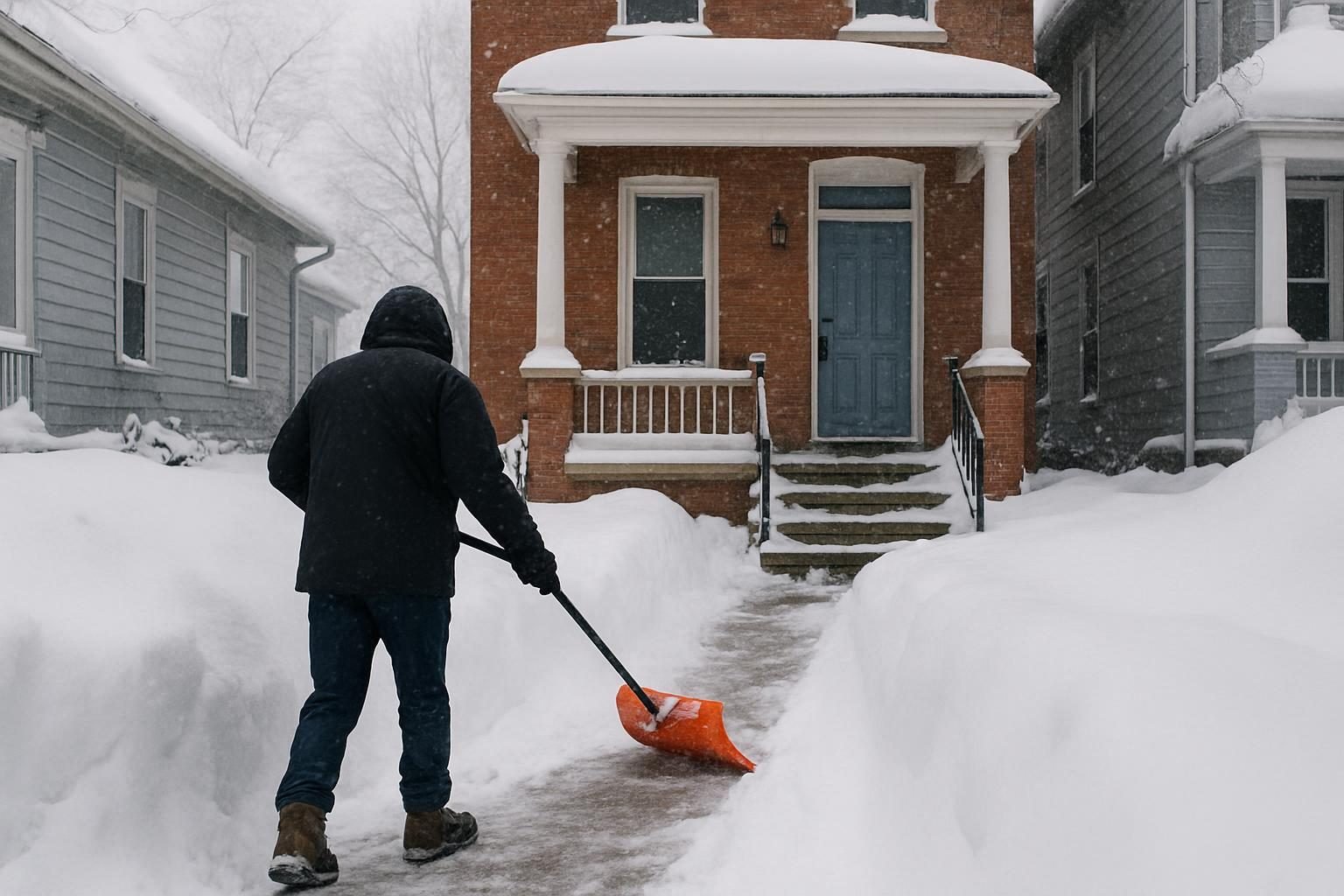
- Shoveling and snow blowing: Hand crews or walk-behind blowers clear walkways, steps, porches, and mailbox paths. Plows can’t do this work well.
- Ice management: Salting, sanding, or treating surfaces so they don’t become skating rinks. Often billed separately.
In neighborhoods with narrow driveways and tight lots, such as parts of South Buffalo, the West Side, and Black Rock, a full-size plow truck may not fit at all. A crew with snow blowers can be the better match. Out in Orchard Park, Clarence, or Hamburg, where driveways are long, a plow is usually the only sensible option.
Seasonal Contracts vs. Per-Push Pricing
This is the biggest decision you will make. A seasonal contract is a flat fee for the winter, usually with some definition of what counts as a service visit. Per-push means you pay each time they plow.
| Factor | Seasonal contract | Per-push |
|---|---|---|
| Cost predictability | High: one known number | Varies with how much it snows |
| Priority service | Contract customers are typically served first | Often lower priority in big storms |
| Best for | Snowy lake-effect zones, people who need to leave daily | Light-use driveways, second homes, mild areas |
| Risk | You may overpay in a light winter | A heavy winter can cost more than a contract |
| Watch for | Caps on visits or snowfall totals | Surcharges for deep snow or after-hours pushes |
Prices vary widely by driveway size, location, and how a contractor structures the deal, so treat any figure you read as a rough estimate and get at least two or three written quotes. For a deeper breakdown of how the math works, see our guide on how much snow plowing costs in Buffalo.
A contract buys you a place in line when the whole city is digging out at once.
What to Ask Before You Hire
Anyone can put a blade on a truck. The difference between a good operator and a headache usually comes down to a handful of questions.
Insurance
Ask for proof of general liability insurance and, if they have employees, workers’ compensation. Request a certificate, not just a promise. If a crew member slips on your property or a plow damages a neighbor’s fence, you want that covered by their policy rather than yours.
Response triggers
How deep does the snow need to be before they come? A typical trigger is somewhere around 2 to 3 inches, but it varies. Also ask when in the storm they plow: after it ends, or during heavy accumulation? In a long lake-effect event that dumps snow for 24 hours, that answer matters a lot.
Timing and priority
If you leave for work at 6:30 a.m., ask whether they can promise a cleared driveway by then. Reputable contractors will tell you honestly what is realistic rather than overpromise. Our guide to surviving Buffalo winters covers how quickly storms can stack up and why timing is so unpredictable.
Damage policy
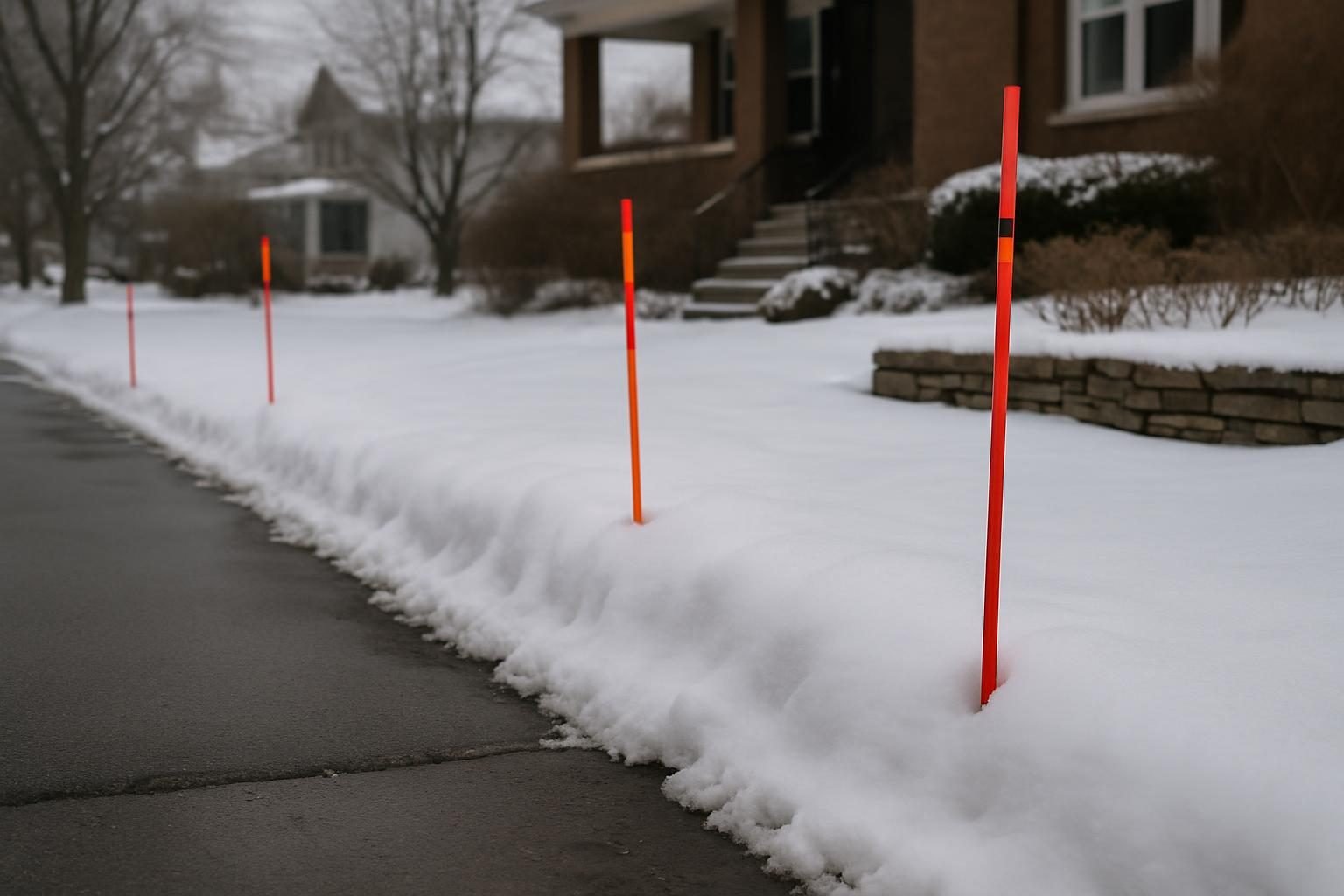
Get the damage policy in writing. Plows catch lawn edges, curbs, pavers, and gravel, and everyone should know in advance who pays for repairs. Ask how they handle it and whether they stake or flag the edges of your driveway before the first snow.
Where Does the Snow Go?
It sounds like a minor detail, but it causes real disputes. Ask where they plan to pile snow, especially if you have a narrow lot, a retaining wall, or a spot that drains toward your foundation. Large piles against the house can contribute to water problems and ice buildup later.
Piles also matter for your roof and gutters. Heavy accumulation near the home can feed the cycle behind ice dams in Buffalo, and snowbanks that block downspouts can complicate the spring thaw. If you also want to stay ahead of that, a fall tune-up fits into your seasonal home maintenance calendar.
Local tip: Mark your driveway edges, drain covers, and any low landscaping with tall reflective stakes in November, before the ground freezes. Take a few photos of the driveway and lawn in good condition. If there is ever a damage dispute, dated photos make the conversation much easier.
Ice Management: Don’t Skip It
Buffalo’s freeze-thaw swings mean a cleared driveway can glaze over by evening. Walkways, steps, and the apron where your driveway meets the street are the usual trouble spots. Many homeowners assume a plow contract includes salting, and it often doesn’t.
Ask whether de-icing is included, billed per application, or handled under a separate agreement. Also ask what product they use. Some rock salt blends can be rough on concrete, pavers, and nearby plantings, and a good contractor will explain their approach. Slick surfaces are also a liability concern for you as the property owner, so it is worth getting right.
Plowing clears the snow, but ice is what actually sends people to the emergency room.
Red Flags When Hiring Snow Removal
Plenty of seasonal operators spring up after the first big storm. Some are excellent, and some disappear by February. Watch for these warning signs.
- No proof of insurance or a vague answer when you ask for it.
- Cash-only, no written agreement, or terms that exist only as a text message.
- Vague service promises like “we’ll be there when we can” with no trigger depth or timing range.
- Unrealistically low bids compared with other quotes, which often mean corners get cut or service drops off in big storms.
- Demanding full payment up front with no refund terms if they don’t perform.
- Too many clients, one truck. If they can’t explain how they handle storms across all their customers, you will likely be last on the route.
- Dismissive about damage, or reluctant to put a damage policy in writing.
Local references help. Ask neighbors on your street who they use, since a contractor already plowing your block can serve you efficiently. If you are new to the area and still getting your bearings, our moving to Buffalo guide and the cost of living in Buffalo breakdown can help you budget winter expenses realistically.
When to Book and What to Have Ready
The best time to hire is fall, ideally by early November. Good contractors fill their routes early, and by the first big snow, the ones with openings may not be the ones you want. Waiting for the storm means scrambling at the worst possible moment.
When you call, have these details ready so you get an accurate quote:
- Driveway length, width, and surface (asphalt, concrete, gravel, pavers).
- Whether you need walkways, steps, or a sidewalk cleared.
- Any obstacles: sloped sections, tight turns, parked cars, or low retaining walls.
- How early you need to be out in the morning.
- Whether you want ice treatment included.
Ready to compare options? Request a quote from a vetted local snow removal pro and describe your driveway and timing needs.
FAQ: Snow Removal in Buffalo
Is a seasonal contract worth it in Buffalo?
For most homeowners in snowy areas, yes. It gives you priority service and a predictable cost, and it protects you from scrambling during a storm. If you rarely use your driveway or travel often in winter, per-push may be cheaper.
How deep does snow need to be before a contractor plows?
Many contractors use a trigger of roughly 2 to 3 inches, but it varies by company and contract. Confirm the number in writing so you know what to expect.
Does snow removal include salting or de-icing?
Not always. Plowing and ice management are often priced separately, so ask exactly what is covered before you sign.
Who is responsible if the plow damages my lawn or driveway?
That depends on the contract. Ask for the damage policy in writing before the season starts, and take photos of your property beforehand. Reputable contractors carry liability insurance for exactly this reason.
When should I hire a snow removal service?
Early fall is ideal, typically before the first significant snowfall. Waiting until a storm hits means fewer available contractors and less leverage on terms.
Get free snow removal quotes from Buffalo pros
A vetted local pro will reach out with a free, no-obligation quote for your driveway and walkways.

