
If your furnace is limping toward another Buffalo winter, the first question is almost always the same: what is furnace replacement cost going to run me? The honest answer is a range, and where you land in it depends on your house, not just the furnace. Our older, drafty, lake-effect-battered homes throw a few curveballs that national price guides tend to skip.
Quick answer: A typical furnace replacement in the Buffalo area often runs somewhere around $5,000 to $12,000 installed, with basic standard-efficiency units at the low end and high-efficiency, modulating or two-stage systems with ductwork or venting changes at the top. Treat these as rough estimates, not quotes. Sizing (BTUs), efficiency (AFUE), duct and venting work, and the installer you choose drive most of the spread.
Below we walk through what moves the price, when repairing makes more sense than replacing, and how to compare quotes so you are not guessing. If you would rather skip straight to prices, you can request furnace replacement quotes from a vetted local pro using the form on this page.
What Furnace Replacement Cost Looks Like in Buffalo
Prices vary by contractor, season and the condition of what is already in your basement, so use these as ballpark figures only. Get written quotes for your actual house before budgeting.
| Scenario | Typical installed range (estimate) | What it usually includes |
|---|---|---|
| Standard-efficiency, like-for-like swap | $4,500 to $7,500 | Single-stage unit, existing ducts and venting reused |
| High-efficiency (90%+ AFUE) gas furnace | $6,000 to $10,000 | Condensing unit, new PVC venting, condensate drain |
| Two-stage or modulating, premium brand | $8,500 to $13,000+ | Variable-speed blower, better comfort and quieter operation |
| Replacement plus duct or venting rework | Add $1,500 to $5,000+ | Resizing trunk lines, sealing, new flue or chimney liner |
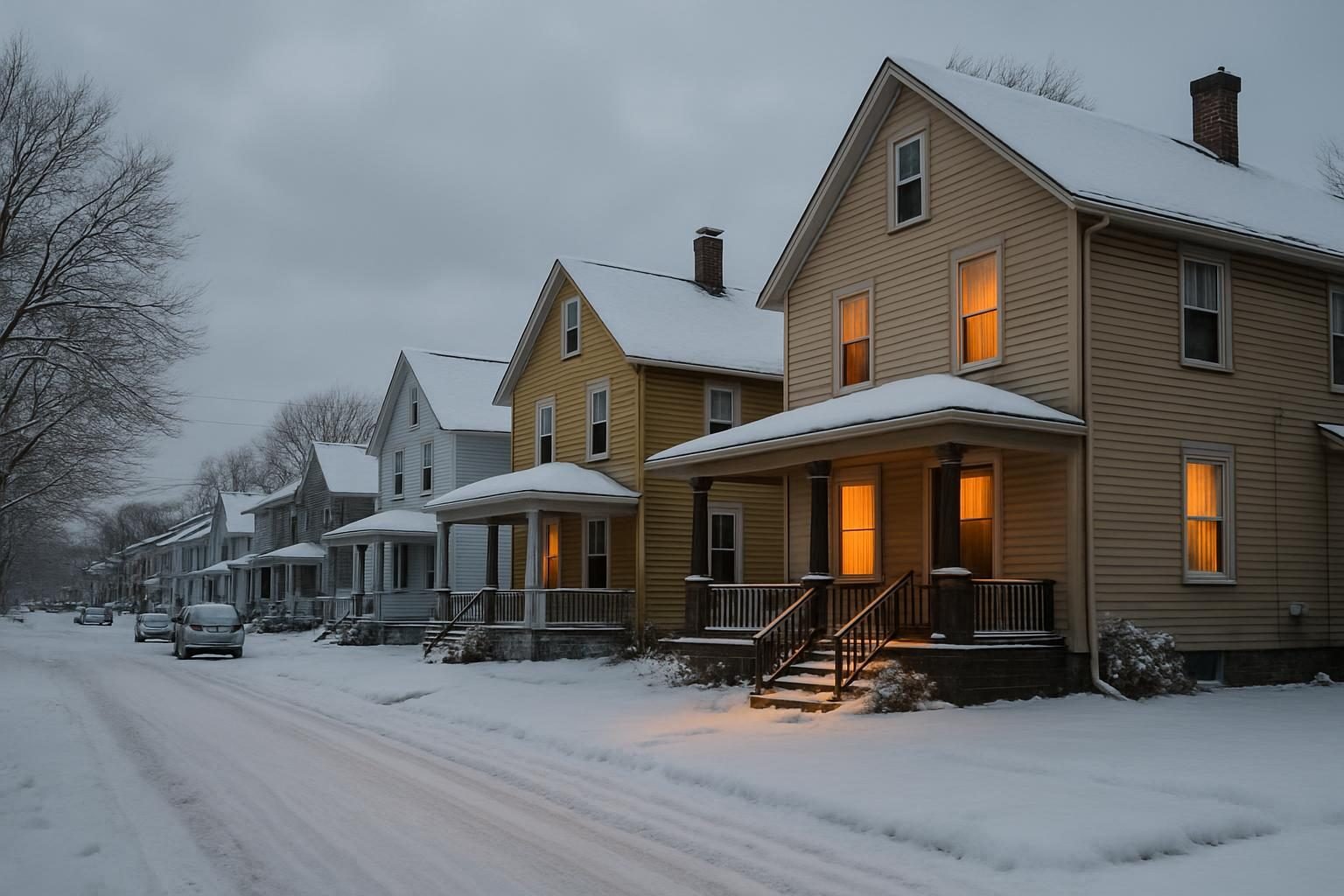
That last row is where Buffalo bills tend to surprise people. A furnace swap in a 1990s Amherst or Clarence split-level is a different job than one in a 1920s two-family in North Buffalo or the West Side.
Sizing: Why BTUs Matter in Older, Drafty Homes
Furnaces are sized in BTUs per hour, and bigger is not better. An oversized furnace short-cycles: it blasts hot air, hits the thermostat setting fast, shuts off, and repeats. You get uneven rooms, more wear and worse efficiency.
The right way to size is a Manual J load calculation, which looks at square footage, insulation, windows, air leakage and ceiling height. Be wary of any contractor who just matches the old unit’s label. The old furnace may have been oversized from day one, or your house may have changed since (new windows, added insulation, a finished basement).
This is where older Buffalo housing stock gets interesting. A leaky century home in Parkside or South Buffalo may genuinely need more capacity than a tight newer build, but sealing air leaks and adding insulation first can let you buy a smaller, cheaper furnace. Our planned guides on air sealing a drafty old house and attic and wall insulation cover the upgrades that can change your load calculation.
A furnace sized to the old label is a guess; one sized to a load calculation is a plan.
AFUE Efficiency: What You Pay For and What You Get Back
AFUE (Annual Fuel Utilization Efficiency) tells you how much of the fuel becomes heat in your home rather than going up the flue. A 80% AFUE furnace turns about 80 cents of every fuel dollar into heat; a 96% unit turns about 96 cents.
- 80% AFUE (standard): Lower purchase price, vents through a metal flue or chimney.
- 90% to 98% AFUE (high efficiency): Higher purchase price, vents through PVC out a side wall, and produces acidic condensate that needs a drain.
- Single-stage vs two-stage vs modulating: More stages generally mean steadier temperatures, quieter running and better efficiency in shoulder seasons, at a higher price.
Buffalo’s long heating season (roughly October through April in a typical year) means efficiency pays back faster here than in milder climates. Whether the premium is worth it for you depends on your gas usage, how long you plan to stay and current rates. Our guide to what it costs to heat a home in Buffalo and tips for lowering your heating bills will help you run your own numbers, and the broader cost of living in Buffalo picture shows how winter utilities fit into a household budget.
Ductwork, Venting and Other Add-Ons
The furnace is only one piece. Several other items can add to the bill:
- Ductwork: Leaky, undersized or poorly insulated ducts waste heat. Sealing or modifying them adds cost but can improve comfort more than a fancier furnace.
- Venting: Moving from an 80% unit to a 90%+ unit usually means new PVC venting. If your water heater shares the chimney, it may need attention too (see our guide to water heater replacement in Buffalo).
- Chimney liner: Many older brick chimneys need a liner when the furnace changes.
- Thermostat and zoning: A smart or programmable thermostat is a modest add; zoning is a larger project.
- Permits and code items: Gas shutoff, condensate handling, carbon monoxide detectors and local permits can all show up as line items.
- Removal and disposal: Usually included, but confirm it is written in the quote.
Local tip: Book your replacement before the first hard freeze if you can. In a cold snap, installers get slammed, emergency pricing and limited equipment choices become common, and you may be stuck with whatever is on the truck.
Repair or Replace: How to Decide
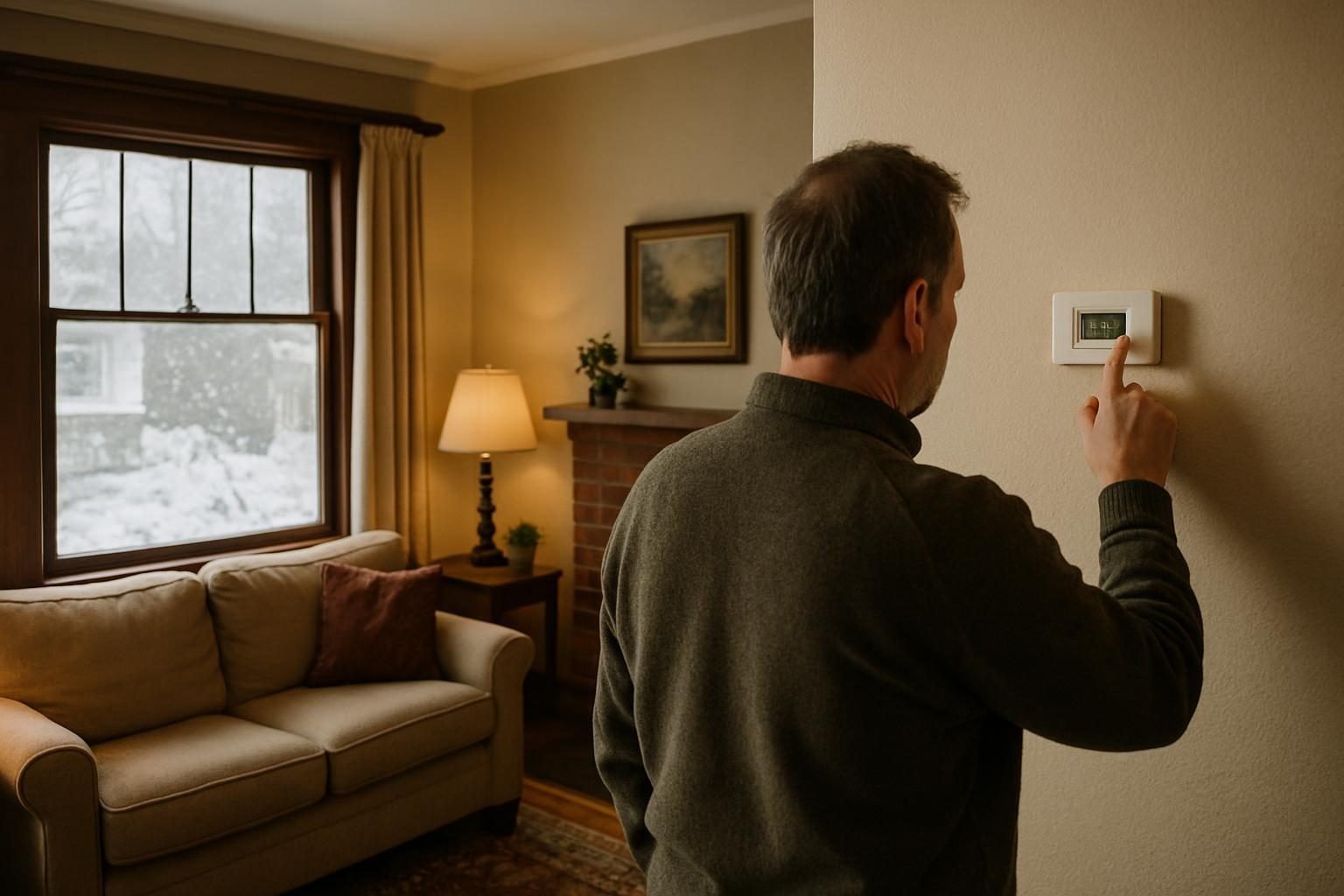
A furnace that quits in January makes everything feel urgent, but a few questions can keep you from a panic purchase.
- How old is it? Many furnaces last roughly 15 to 20 years with decent maintenance. Past that, repair bills tend to stack up.
- What is the repair? A flame sensor, igniter or limit switch is routine. A cracked heat exchanger or failed blower motor on an old unit often tips toward replacement.
- How much is the repair versus a new unit? A common rule of thumb is to be cautious if a repair costs a big fraction of replacement on an aging system.
- Is comfort or efficiency suffering? Uneven rooms, rising gas bills and frequent cycling are all signs the system is worn out or mismatched.
If your furnace is struggling now, our planned guides on furnace repair costs in Buffalo and what to do when your furnace stops working cover the emergency side. Regular care helps too; a furnace tune-up before the first freeze is cheap insurance, and our Buffalo home maintenance checklist shows where it fits in the year.
Repair the small stuff, replace when the big failures start arriving on an aging unit.
Furnace, Boiler or Heat Pump?
Before you commit to a like-for-like furnace, consider whether it is still the right system. If your home has radiators, you likely have a boiler, not a furnace, and the decision is different; see our planned guide to boiler replacement in older Buffalo homes.
If you are weighing electrification or want central air as well, a cold-climate heat pump may be worth pricing alongside a gas furnace, particularly with incentives available. Dual-fuel setups that pair a heat pump with a gas furnace backup are also common conversations. And if you are adding cooling, our planned guide on central AC installation in Buffalo explains how a new furnace and AC can be coordinated.
Rebates and Incentives: Check NYSERDA Before You Sign
Depending on your income, equipment and utility, there may be rebates, financing or income-qualified programs that cut your cost. NYSERDA runs home energy programs that can include efficient heating equipment and insulation work. Our planned guide to NYSERDA home energy programs like Comfort Home and EmPower+ explains who qualifies and how to apply. Program rules change, so verify current eligibility and ask your installer whether they participate before you sign.
How to Compare Furnace Quotes
Three written quotes are a good target. Cheap and expensive bids can both look reasonable until you line up what is actually included.
- Same specs: Compare AFUE, stages, BTU output and blower type, not just brand names.
- Load calculation: Ask whether sizing was calculated or guessed.
- Itemized scope: Venting, condensate, thermostat, permits, haul-away and any duct changes should be listed.
- Warranty: Check both the manufacturer’s parts warranty and the installer’s labor warranty, and what registration is required.
- License and insurance: Confirm they are properly licensed and insured for work in your municipality.
- Timeline and payment terms: Be wary of large upfront deposits or high-pressure “today only” pricing.
Local tip: Ask each installer to walk your basement and look at the existing venting, ducts and gas line before quoting. A phone quote for a Buffalo basement full of 70-year-old duct runs is usually a rough guess that grows later.
Ready to see real numbers for your house? Use the form on this page to request a furnace replacement quote from a vetted local pro.
Frequently Asked Questions
How much does furnace replacement cost in Buffalo?
Many homeowners see totals somewhere between about $5,000 and $12,000 installed, depending on efficiency, size and whether venting or ductwork needs work. These are typical estimates, so get written quotes for your own home.
How long does a furnace last in Western New York?
Commonly around 15 to 20 years, with regular maintenance helping. Our long, cold heating season means furnaces work hard, so age and condition matter when you are deciding whether to repair or replace.
Is a high-efficiency furnace worth it in Buffalo?
Often it can be, because the heating season is long and the efficiency savings accumulate. The payback depends on your gas usage, rates and how long you will stay, so compare lifetime costs rather than just the sticker price.
How long does installation take?
A straightforward swap is often done in a day, while jobs with new venting, duct changes or a chimney liner can take longer. Your installer should give you a timeline in writing.
Can I replace just the furnace and keep my AC?
Sometimes, but the furnace and the AC coil and condenser need to be compatible. Ask your installer to check matching, especially if the AC is older.
Want help getting started? Request a free furnace replacement quote from a vetted Buffalo pro through the form on this page. And if you are new to the area or buying an older place, our moving to Buffalo guide and planned article on buying an older home in Buffalo will help you budget for heating before you close.
Get free furnace replacement quotes from Buffalo pros
A vetted local pro will reach out with a free, no-obligation quote for your home.

