
If you live in a drafty house in Buffalo, you already know the feeling: socks on the hardwood, a cold spot by the front window, and a furnace that runs like it has something to prove every January. Our winters are long, windy and cold, and the region’s housing stock is old. Plenty of homes in North Buffalo, Kenmore, South Buffalo and the West Side were built long before anyone thought about airtightness.
Quick answer: Fix a drafty house in this order: seal air leaks first (attic hatch, rim joists, outlets, window and door gaps), then add insulation, then consider window replacement. Weatherstripping, caulk and foam are cheap DIY wins. A blower-door test and a pro air-sealing job make sense when the leaks are hidden in the attic floor, walls or basement. Sealing before insulating keeps the insulation working the way it should.
The good news is that most drafts come from a short list of predictable places, and many fixes cost less than a pizza-and-wings night before a Bills game. If you would rather hand the job to someone with the right gear, you can request help with insulation and air sealing from a vetted local pro using the form on this page.
Why older Buffalo homes leak so much
Many Buffalo houses are balloon-framed or have older stud cavities that run from the basement straight up to the attic. That gives warm air an open chimney to travel through. Add settling, decades of freeze-thaw cycles and wood that shrinks and swells, and gaps open up everywhere.
Wind makes it worse. Lake-effect weather pushes cold air against the windward side of a house and pulls warm air out the top. Air leakage is not just a comfort problem. It also feeds ice dams, because heat escaping into the attic melts roof snow from underneath. Our guide to ice dams in Buffalo explains that chain reaction.
Warm air escaping at the top of your house is pulled in as cold air at the bottom.
Where drafts hide: a room-by-room checklist
You do not need fancy equipment to start. On a windy, cold day, walk the house with your hand, a stick of incense or a lit candle held carefully away from curtains, and watch for flicker or drift. Check these spots first.
- Windows: Gaps around the sash, worn balance cords, cracked glazing putty and loose trim.
- Exterior doors: Worn sweeps, compressed weatherstripping and light visible around the frame.
- Attic hatch or pull-down stairs: Often a big, unsealed hole in the ceiling.
- Rim joists: The wood band on top of the foundation wall, usually visible in an unfinished basement.
- Outlets and switches on exterior walls: Cold air can flow right through the boxes.
- Penetrations: Plumbing, wiring, chimney chases and recessed lights that open into the attic.
- Baseboards and fireplace dampers: Leaks along the floor edge and up the flue.
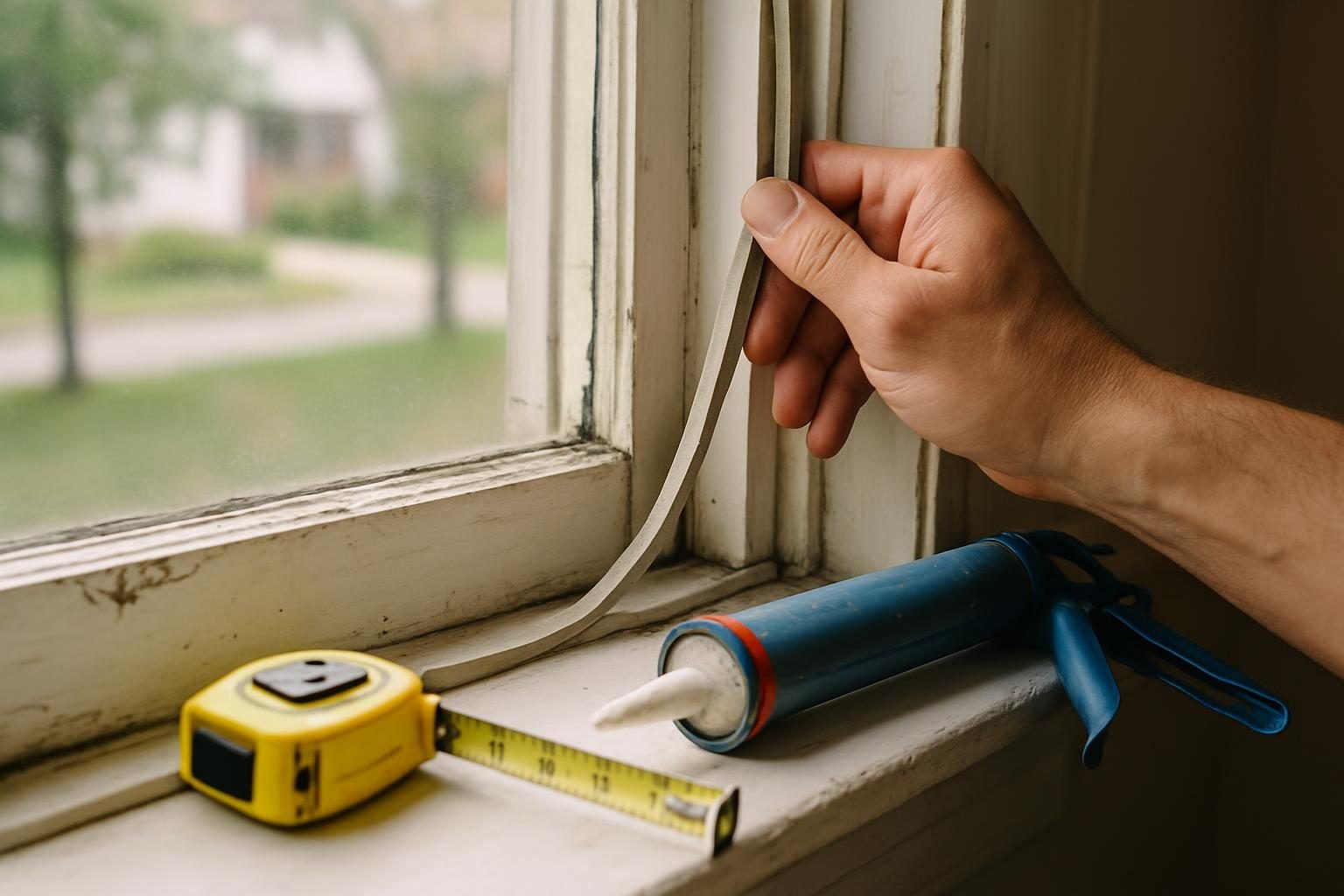
Windows and doors: weatherstripping that works
Original wood windows are a big part of the charm in Elmwood Village and Allentown, and they are often repairable. Before you price a replacement, try the basics: fresh weatherstripping, caulk on the exterior trim, and a snug-fitting storm window. A good storm window over an old wood sash can perform surprisingly well for the money.
For doors, replace a worn sweep and install compression or V-strip weatherstripping around the frame. If you can slide a dollar bill under a closed door, it is leaking. When repair stops making sense, our guide to attic and wall insulation for Buffalo homes helps you compare where your money does the most good, and a future piece on window replacement costs in Buffalo will cover pricing in detail.
Local tip: Do your leak hunt on a windy, cold day, ideally right before the first deep freeze. Mark each leak with painter’s tape so you can fix them in one pass and recheck afterward.
The hidden leaks: attic, rim joists and outlets
The biggest leaks are usually the ones you cannot see from the living room. Air moves up through the attic floor around wiring, plumbing stacks, ceiling light fixtures and the tops of interior walls. In an old house, the attic floor can be one big sieve.
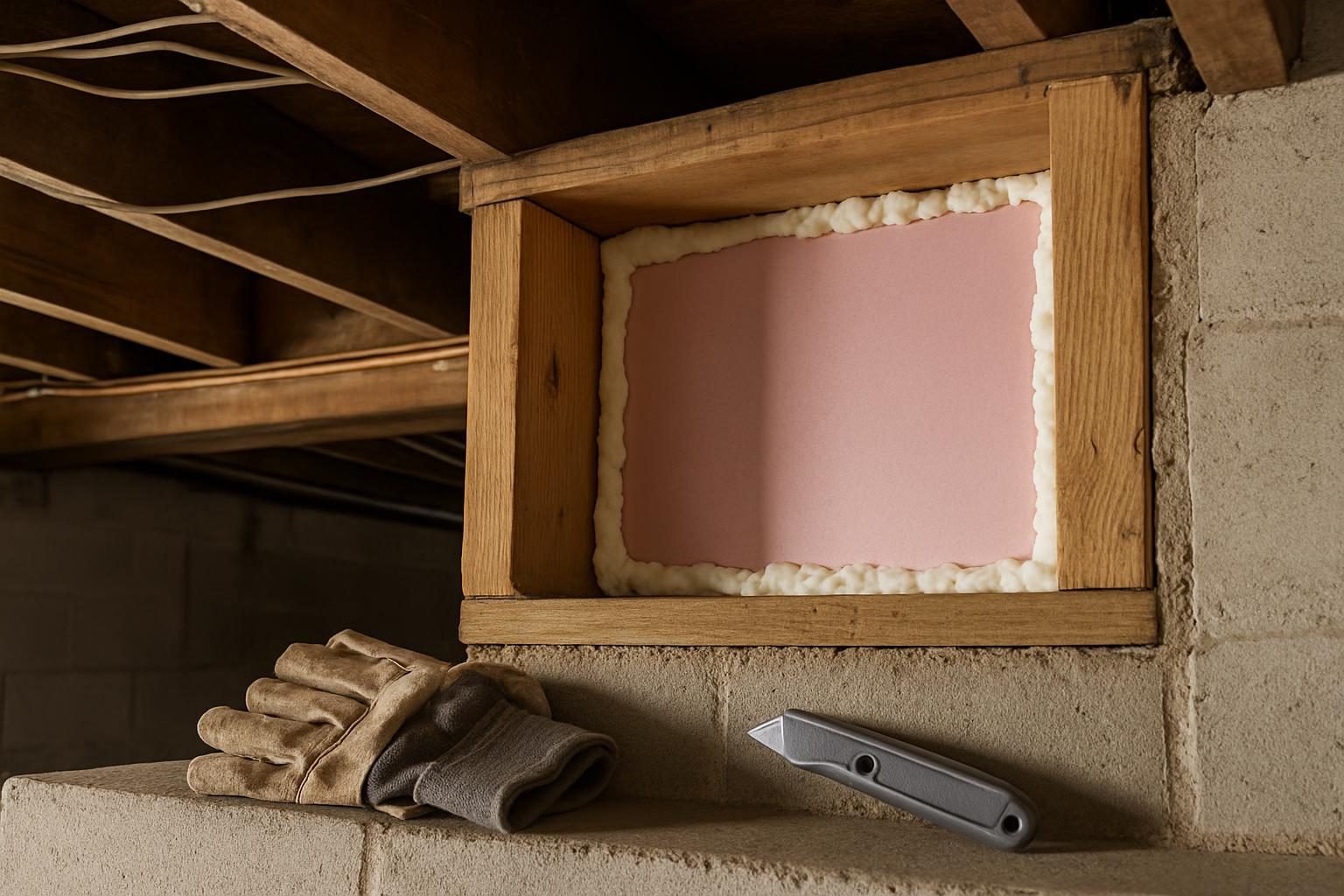
The rim joist is the other major offender. In a typical basement, it is a long strip of gaps where framing meets the foundation. Sealing it with rigid foam cut to fit plus canned spray foam or caulk at the edges is a classic weekend project. Check the basement for moisture first, and if you see dampness or staining, read up on a wet basement before covering anything up.
Easy fixes for outlets and the attic hatch
Foam gaskets behind outlet and switch plates on exterior walls take minutes to install. For the attic hatch, glue rigid foam to the back of the cover and add weatherstripping around the frame so it compresses when closed. A pull-down attic stair may need a pre-made insulated cover.
DIY fixes vs. pro air sealing
Plenty of work is realistic for a handy homeowner. Some jobs are better left to professionals, especially in tight, dusty attics or around old wiring and chimneys. Here is a rough comparison.
| Fix | DIY or pro? | What to know |
|---|---|---|
| Door sweeps and weatherstripping | DIY | Inexpensive, quick, and noticeable right away. |
| Window caulk and storm windows | DIY | Use exterior-grade caulk and check the glazing putty. |
| Outlet gaskets | DIY | Turn off power at the breaker before removing covers. |
| Attic hatch seal | DIY | Foam board and weatherstripping do the job. |
| Rim joist sealing | DIY or pro | Good DIY project if the basement is dry and accessible. |
| Attic floor air sealing | Usually pro | Requires working around existing insulation and wiring. |
| Wall cavity and chimney chase sealing | Pro | Hidden paths often need a blower-door test to find. |
Costs vary widely with house size, access and materials, so treat any figure you see online as a rough estimate and get written quotes. A professional blower-door test can show how leaky the whole house is and pinpoint the worst spots. It often comes as part of an energy audit.
Seal the air leaks first, then add insulation, so the insulation can actually do its job.
How air sealing pairs with insulation
Insulation slows heat transfer, but it does not stop moving air. Fluffy attic insulation laid over an unsealed attic floor will still let warm, moist air sneak past, and the cold air can even lace through the material and reduce its performance. That is why pros seal the attic floor first, then add insulation on top.
Material choice matters too. Fiberglass, cellulose and spray foam each behave differently around gaps and moisture, which a future guide on spray foam vs fiberglass insulation will break down. For a deeper look at attic and wall R-values and what works in our climate, see our guide to attic and wall insulation for Buffalo homes.
Do not seal the house so tight that combustion appliances struggle. If you have a gas furnace, water heater or fireplace, check ventilation and CO alarms, and have the system looked over with a furnace tune-up before the first freeze.
Getting started: a sensible order of operations
- Do a windy-day leak hunt and mark problem spots.
- Fix the cheap, obvious ones: weatherstripping, sweeps, outlet gaskets, attic hatch.
- Seal the rim joist and larger gaps in the basement.
- Book an energy audit if comfort is still poor. Ask about NYSERDA incentives, which a future guide on NYSERDA Comfort Home will cover.
- Air seal and insulate the attic, then reassess windows and heating equipment.
Taking care of leaks also supports bigger savings. It may let you right-size a future furnace or heat pump, which is worth knowing before you shop. Our guides on furnace replacement cost and cold-climate heat pumps explain why a tighter house changes the math. Add these jobs to your yearly routine with the Buffalo home maintenance checklist.
Ready to stop chasing drafts room by room? Request a quote for insulation and air sealing from a vetted local pro using the form on this page.
FAQ: drafty houses in Buffalo
What is the most common source of drafts in an older Buffalo home?
Attic floor leaks, rim joists and old windows and doors are the usual suspects. The biggest losses are often hidden above the ceiling and below the first floor rather than at the windows you can feel.
Should I replace my windows or just weatherstrip them?
Start with weatherstripping, caulk and storm windows, since they cost far less and often solve most of the draft. Replacement can make sense when frames are rotted or glass is failing, but it rarely pays back on energy savings alone.
Do I need to air seal before adding insulation?
Yes, in most cases. Sealing first stops air from moving through or around the insulation and helps limit ice dams and moisture problems.
Can I make my house too airtight?
It is possible, especially with gas appliances or fireplaces. Make sure combustion appliances vent properly, keep CO alarms working, and ask a pro about ventilation after a major sealing project.
How do I find hidden leaks?
An energy audit with a blower-door test and infrared camera is the most reliable way. It shows where air is actually moving, so you spend money on the right fixes.
Get free insulation and air sealing quotes from Buffalo pros
A vetted local pro will reach out with a free, no-obligation quote.

