
If you own a house in Buffalo, your siding has a harder job than siding in most of the country. It takes wind-driven snow off the lake, deep winter cold, fast freeze-thaw swings in March, and humid summers. Figuring out siding replacement cost here means looking at more than square footage: the material you choose and the work done behind it decide whether the new exterior lasts 15 years or 40.
Quick answer: Siding replacement cost in Buffalo typically runs roughly $8,000 to $20,000 for vinyl on an average single-family home, and $15,000 to $35,000 or more for fiber cement or real wood, depending on size, trim work and what is hiding under the old siding. These are rough planning ranges, not quotes. Get at least three written estimates, since prices shift with the season and the contractor’s backlog.
Below, we compare the four common materials, explain what moves the price, and cover when a repair is enough. We also look at why the best time to replace siding is also the best time to fix insulation. If you would rather skip the research, you can request siding help from a vetted local pro using the form on this page.
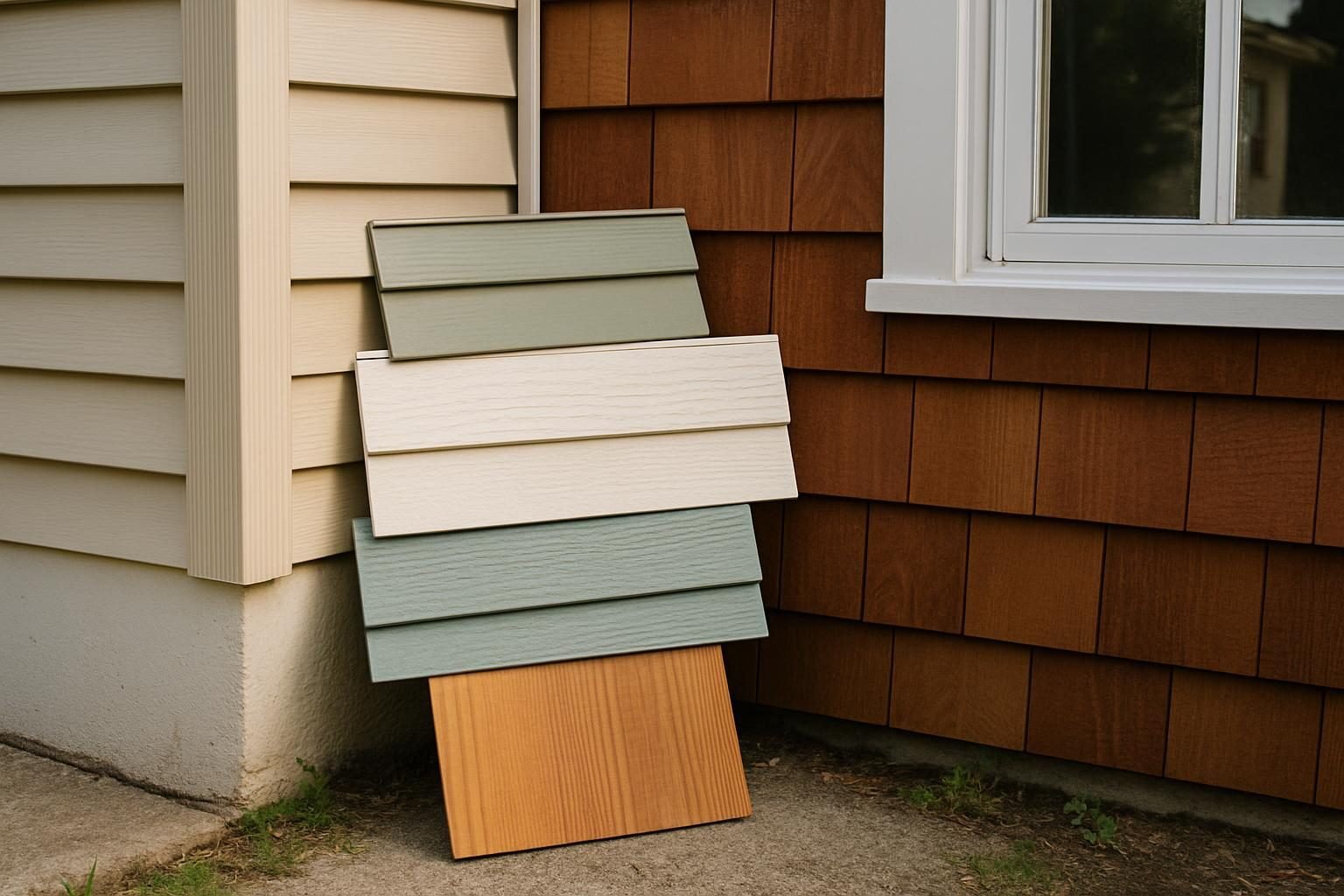
What Siding Replacement Typically Costs in Buffalo
Contractors price siding by the square (100 square feet of wall) or by the whole job. Most Buffalo-area homes are two-story frames of 1,500 to 2,500 square feet of living space. That works out to 1,800 to 3,000 square feet of exterior wall once you subtract windows and doors. The ranges below are typical estimates for a full tear-off and install, and they vary by contractor, house and year.
| Material | Typical installed range (average home) | Expected lifespan | Upkeep |
|---|---|---|---|
| Vinyl | $8,000 to $20,000 | 20 to 40 years | Low: wash once a year |
| Fiber cement | $15,000 to $35,000 | 30 to 50 years | Moderate: repaint every 10 to 15 years |
| Wood (cedar, clapboard) | $15,000 to $40,000+ | 20 to 40 years with care | High: paint or stain regularly |
| Aluminum | $10,000 to $22,000 | 30 to 40 years | Low to moderate: can dent, finish can fade |
Treat these as starting points. A simple ranch in Cheektowaga or West Seneca will land near the low end. A tall Victorian in Allentown or a multi-gable colonial in Clarence, with lots of corners, will land near the high end.
The siding you see is only half the job; the wall behind it decides how long it lasts.
Which Siding Material Handles Buffalo Weather Best?
No material is perfect. Each one trades cost, looks and maintenance differently, and Buffalo’s climate punishes certain weaknesses.
Vinyl
Vinyl is the most common choice in Western New York because it is affordable and needs almost no upkeep. It handles moisture well and never needs paint. Its weakness is cold: standard vinyl gets brittle in deep freezes, and an ice chunk or a snow shovel can crack a panel. Look for thicker, insulated vinyl, which adds some R-value and stiffness.
Fiber cement
Fiber cement (the HardiePlank-style products) shrugs off rot, insects and fire, and it holds paint well. It stays stable through freeze-thaw cycles, which is a real advantage here. The tradeoffs are higher cost, heavier panels that require more skilled labor, and repainting every decade or so. Many homeowners in Elmwood Village and North Buffalo choose it for older homes where a more traditional look matters.
Wood
Real wood is beautiful and fits Buffalo’s historic housing stock, from Parkside to Kenmore. It is also the most demanding. Humid summers and snowmelt mean any gap in paint can let moisture in, leading to rot. If you love the look but not the maintenance, fiber cement made to resemble wood is a common compromise.
Aluminum
Aluminum does not rot or crack in the cold, and many older Buffalo homes still wear aluminum from decades ago. It dents, can chalk or fade, and it conducts heat, so it adds nothing for insulation. It is a fair choice for budget-conscious repairs on homes that already have it.
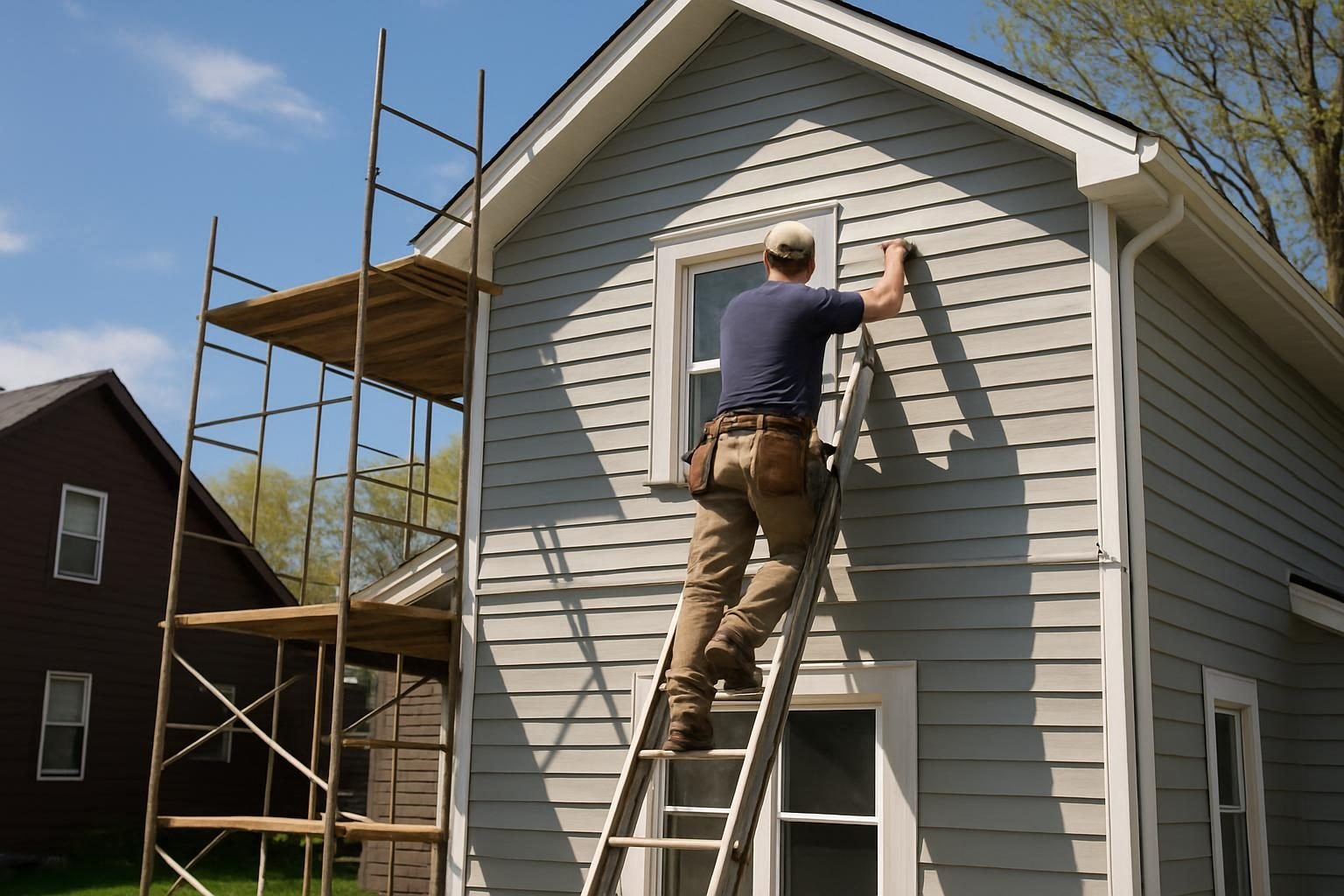
What Drives Siding Replacement Cost
Two homes of the same size can get very different quotes. These are the factors that move the number most:
- Size and height: More wall area means more material and labor. Second and third stories need scaffolding or lifts.
- Complexity: Dormers, bump-outs, gables and lots of corners slow the crew and increase waste.
- Tear-off and hidden damage: Removing old siding is standard. Finding rotted sheathing or framing behind it adds repair costs that cannot be known until the walls are open.
- Underlayment and house wrap: A proper water barrier and flashing around windows and doors is where quality shows up, and where cheap bids cut corners.
- Trim, soffit and fascia: Replacing these at the same time is often smart, since the crew is already there.
- Lead and asbestos in older homes: Houses built before 1978 may need lead-safe work practices, which can add cost. Ask any contractor how they handle it.
- Season and demand: Good crews book up from late spring through fall. Early spring and early fall bids are sometimes easier to schedule.
Local tip: Ask every bidder to itemize the tear-off, house wrap, flashing and a per-sheet or per-foot price for replacing rotted sheathing. That way a surprise behind the walls does not become a surprise on the invoice.
Repair or Replace: How to Decide
You do not always need a full replacement. A few cracked or loose panels, a section damaged by a fallen branch or a plow, or a small patch of rot can often be repaired for a few hundred dollars. The catch is matching color and profile on older siding, since vinyl fades and discontinued lines are hard to find.
Consider replacement when you see:
- Widespread cracking, warping or buckling across several walls
- Soft, spongy or rotted wood when you press near trim and corners
- Water stains or peeling paint inside, which can signal moisture getting behind the siding
- Mold or mildew that returns after cleaning
- Rising heating bills that insulation work alone has not fixed
Moisture problems on the outside walls often connect to other issues. Clogged gutters that overflow onto walls and ice dams that push meltwater under shingles can both damage siding, so it is worth reading about ice dams in Buffalo and why fall gutter cleaning matters before you spend big on new exterior walls.
Fix the water source first, or new siding just gives the same problem a fresh coat of paint.
Pair Siding With Insulation and Air Sealing
A siding job is the cheapest moment you will ever have to improve how your walls perform, because the exterior is already open or accessible. Adding a layer of rigid foam board under the siding can improve the wall’s R-value and cut down on thermal bridging through the studs. Insulated vinyl or a continuous insulation layer is worth asking every bidder about.
If your house feels cold in winter, siding is only one piece. Read our guide to attic and wall insulation for Buffalo homes to see where the biggest energy savings usually come from, and look at our upcoming piece on a drafty old house and air sealing. If you are weighing heating upgrades at the same time, our guide on furnace replacement cost and the one on cold-climate heat pumps will help you sequence the work. Homeowners also ask about NYSERDA home energy programs, which can help with income-eligible efficiency upgrades, so check current eligibility before you start.
Siding, Windows and Roof: Plan the Order
Exterior projects overlap, so the order matters. Windows should usually be replaced before or during siding, since the flashing and trim around them are part of the same weather barrier. Our guide to window replacement costs in Buffalo walks through that side of the job. The roof is the other half of the envelope: if shingles are near the end of their life, do the roof first so the crew is not working above brand-new siding. See our roof replacement cost guide and the note on roof raking and snow load for what to watch.
Many homeowners bundle roof, siding, windows and gutters into one project to save on staging and mobilization. Ask for each piece priced separately so you can compare, then see whether a combined discount makes sense. For a broader view of seasonal upkeep, our Buffalo home maintenance checklist shows how exterior work fits into the year.
How to Choose a Siding Contractor
- Get at least three written, itemized estimates and compare scope, not just the bottom line.
- Confirm the contractor carries liability insurance and workers’ compensation, and ask for proof.
- Check that they pull permits where your town requires them. Requirements vary by municipality, so ask your local building department.
- Ask who does the work: employees or subcontractors, and who supervises on site.
- Get warranty terms in writing for both the material and the labor, and ask how long labor is covered.
- Be wary of pressure to sign the same day or deep discounts that expire tonight.
Ready to compare options for your own house? Request a free siding quote from a vetted local pro using the form on this page.
Frequently Asked Questions
How much does siding replacement cost for a typical Buffalo house?
As a rough planning range, vinyl often runs about $8,000 to $20,000 for an average single-family home, while fiber cement and wood commonly start around $15,000 and climb from there. Your actual price depends on size, complexity, hidden damage and the material you pick, so treat these as estimates and get written quotes.
What is the best siding for Buffalo winters?
Fiber cement and quality insulated vinyl are popular because they handle moisture and freeze-thaw cycles well. Fiber cement is more stable but costs more; vinyl is more affordable but can crack in extreme cold. The best choice also depends on your home’s style and how much upkeep you want to take on.
When is the best time to replace siding in Western New York?
Late spring through early fall is the main season because temperatures are workable and materials install properly. That is also when contractors are busiest, so book early. Some crews offer scheduling flexibility in early spring or fall.
Does new siding lower my heating bills?
It can, especially if you add continuous foam insulation or insulated vinyl under the new siding and seal air leaks while the walls are accessible. Siding alone does little for energy use, so pair it with insulation and air sealing for real results.
Do I need a permit to replace siding?
It depends on the city, town or village. Many municipalities in the Buffalo area require permits for exterior work, and historic districts may have extra rules. Ask your contractor and check with your local building department before work begins.
Get free siding quotes from Buffalo pros
A vetted local siding pro will reach out with a free, no-obligation quote.

