
Living in Amherst, NY means big-suburb convenience with a college town’s energy on its southern edge. It is the largest suburb in Erie County and one of the most popular places in Western New York to buy a first home, raise kids, or land after a job move. Here is what daily life looks like, neighborhood by neighborhood and season by season.
Quick answer: Amherst suits people who want varied housing, well-regarded school options, plenty of shopping and an easy drive to downtown Buffalo, the airport and the University at Buffalo (UB) North Campus. You trade some walkability for space and convenience. Housing ranges from mid-century ranches to newer subdivisions to apartments near campus. Your school district depends on your exact address, so check it before you fall for a house.
Thinking about a move? You can request help from a vetted local real estate agent using the form on this page.
Living in Amherst, NY: The Big Picture
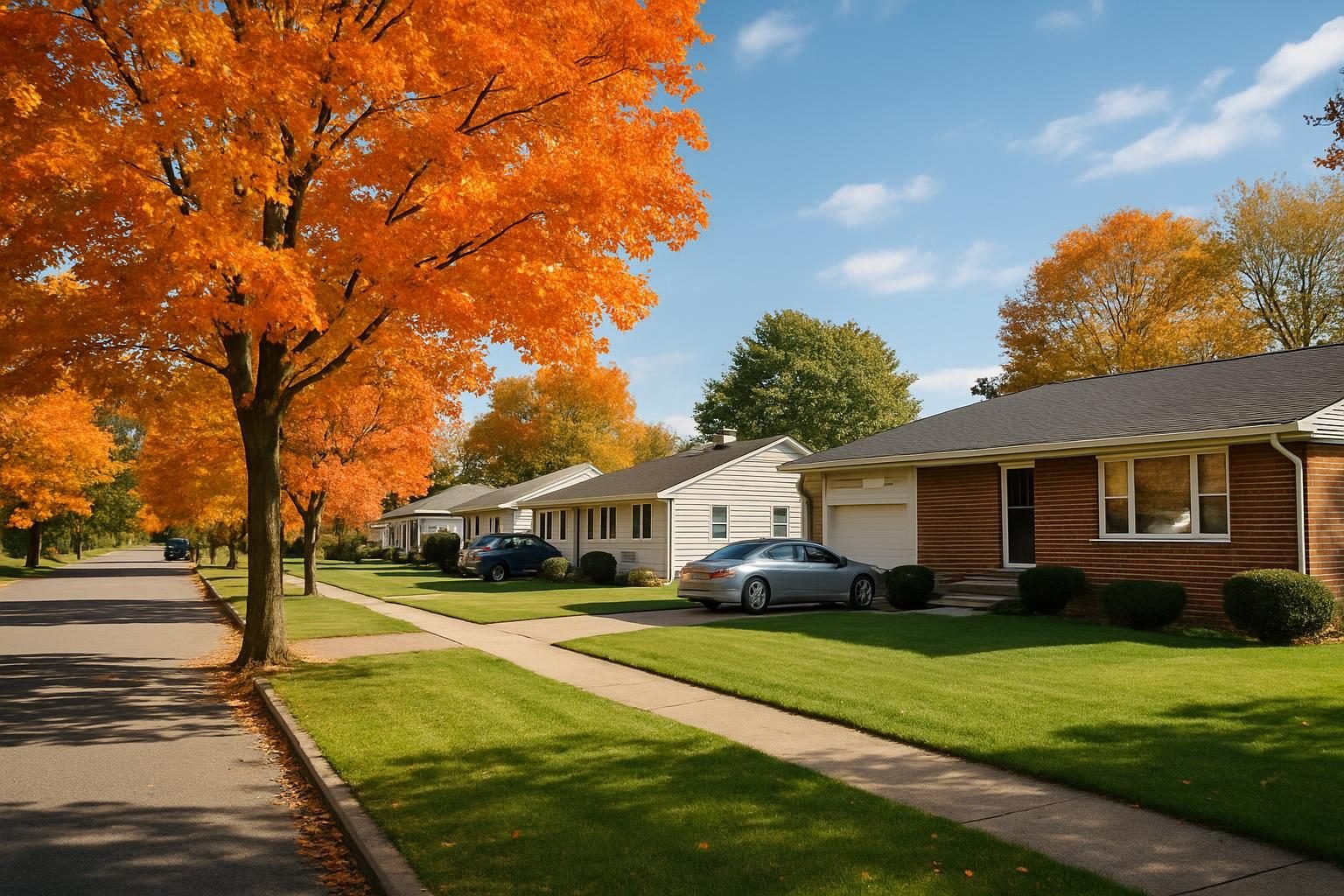
Amherst is a town, not a single village or downtown. It spans a lot of ground north and east of the city of Buffalo, and it includes the hamlets of Eggertsville, Snyder, Getzville and part of Williamsville. A Main Street address in Snyder feels very different from a newer street out near Harlem Road.
The common thread is practicality. Most neighborhoods are residential, tree-lined and car-oriented, with grocery stores, medical offices and restaurants a short drive away. If you want a general comparison with other suburbs, our guide to the best suburbs of Buffalo, NY puts Amherst alongside Orchard Park, Clarence and more.
Amherst also sits between two very different neighbors. Williamsville to the east has a compact village core, while Clarence to the northeast is more rural, with larger lots and a small-town feel. Amherst lands in the middle on price, density and amenities.
Housing: What You Can Buy or Rent
Housing variety is Amherst’s strongest card. Much of the older stock dates from the post-war building boom, so you will see plenty of ranches, split-levels and colonials on regular suburban lots. Newer construction and condo or townhouse developments fill in the north and east, and apartment complexes cluster near UB and along major roads.
| Area | What you will typically find | Best for |
|---|---|---|
| Eggertsville and Snyder (south Amherst) | Older ranches, colonials and Cape Cods on established streets; close to the city line | Buyers who want a shorter city commute and mature trees |
| Near UB North Campus | Apartments, townhouses and rentals; some single-family streets | Students, staff, renters and investors |
| Central Amherst | Mixed single-family homes, condos and shopping corridors | Buyers who want convenience and choice |
| Getzville and north Amherst | Newer subdivisions, larger lots, more space | Families who want newer homes and a quieter feel |
| Williamsville-area addresses | Established homes with a Williamsville mailing address | Buyers drawn to village-adjacent living |
Prices generally land above inner-ring suburbs such as Cheektowaga and below the premium end of Clarence, though this shifts with the market and with school district. Property taxes also vary by district and municipality, so ask your agent for the current tax bill on any house you tour. For a wider look at what living here costs, see our upcoming cost of living in Buffalo guide.
Older homes reward owners who stay on top of maintenance. Our Buffalo home maintenance calendar is a good checklist for gutters, furnaces and sump pumps.
Amherst isn’t one neighborhood. It’s a dozen different suburbs sharing a town name, so tour by street, not by zip code.
Schools: Know Your District Before You Buy
Several school districts serve parts of Amherst, and which one applies depends on the specific address. That matters a lot for families, and it is one of the most common surprises for out-of-town buyers. Verify the district and attendance zone with the district itself, not just a listing.
- Amherst Central School District: covers much of the southern and central part of town, including Eggertsville and Snyder.
- Williamsville Central School District: one of the largest districts in the region, covering a big share of Amherst and nearby towns.
- Sweet Home Central School District: serves parts of Amherst and neighboring Tonawanda.
- Clarence Central School District: reaches into the northeastern edge of the area.
Each district publishes its own boundary information, programs and calendars. UB and several nearby colleges also add to the educational ecosystem, which shows up in extracurriculars, internships and tutoring options.
Local tip: Before making an offer, confirm the district for the exact street address with the district office, and ask your agent which district each listing sits in. Two houses a few blocks apart can feed different schools and carry different tax bills.
Shopping, Dining and Everyday Errands
Amherst is built for errands. Main Street, Transit Road, Niagara Falls Boulevard, Sheridan Drive and Millersport Highway all carry big retail corridors, with grocery chains, big-box stores, pharmacies and medical offices. You will rarely drive more than a few minutes for the basics.
Dining is just as broad, from long-standing neighborhood pizza and wing spots to international restaurants that cater to the student and university community. If wings are your priority, our guide to the original Buffalo wing will help you decide where to start, and Amherst has plenty of places to try.
For nights out and weekend plans that go beyond the suburbs, our things to do in Buffalo guide covers Canalside, the Elmwood strip, Larkinville and more. Most are a 20-to-30 minute drive from the middle of Amherst, depending on traffic.
Life here runs on convenience: groceries, doctors and dinner are all a short drive away, and nobody expects you to walk.
Parks, Trails and Recreation
Amherst is greener than its shopping corridors suggest. The town runs a network of parks, pools and community facilities, and the Ellicott Creek corridor offers trail and paved-path options for walking and biking. Amherst State Park and other green spaces give you a nature break without leaving town.
Families lean heavily on indoor recreation in winter, including the rinks at Northtown Center at Amherst, which suits a region that takes hockey seriously. Check current schedules and registration directly with the facility or the town.
Summer brings splash pads, outdoor concerts and backyard cookouts. Winter brings plenty of snow, and Amherst gets its share of lake-effect storms and shovel days. Our guide to surviving Buffalo winters covers what to expect and how to prepare, from tires to roof rakes.
Commute and Getting Around
Most Amherst residents drive, and the road network is a big reason people choose the town. The I-290 (Youngmann Expressway) runs along the town’s southern and western side, I-990 connects UB to the 290, and the Thruway is easy to reach. Buffalo Niagara International Airport is a short drive away in Cheektowaga.
Typical drive times to downtown Buffalo are often in the 20-to-30 minute range outside peak hours, but allow more during rush hour and snowstorms. NFTA Metro bus routes serve many Amherst corridors, and the Metro Rail line ends near UB’s South Campus on the city side, which helps students and some commuters. Check current routes and schedules with the NFTA.
Local tip: Test your real commute before you commit. Drive it at 8 a.m. on a weekday and again after a snowfall, since a route that looks quick on a map can slow down at the 290 and Main Street interchanges.
The UB Influence
UB’s North Campus sits in Amherst, and its presence shapes the town in ways both obvious and subtle. Tens of thousands of students, faculty and staff create steady demand for rentals, restaurants and services. The campus also brings lectures, performances and sporting events that residents can attend.
For homeowners, the university means a stable employment base and a reliable rental market, which appeals to investors and to people who plan to rent a room or unit. For everyone else, it means busier roads near campus during move-in weeks, graduation and big games, and a younger, more international feel in the nearby neighborhoods.
Is Amherst Right for You?
Amherst works best for people who value space, choice and convenience over a walkable village center. Here is a quick way to weigh it.
- Good fit: families comparing school districts, UB faculty and staff, medical workers, buyers who want a range of price points, and anyone who wants quick highway access.
- Maybe not: people who want a historic walkable main street (consider city neighborhoods or the more village-style Kenmore), or buyers who want acreage and a rural feel.
If you are relocating from out of state, our complete guide to moving to Buffalo covers the broader picture.
When you are ready to look at homes, you can request a vetted local real estate agent through the form on this page and get help comparing Amherst’s neighborhoods and districts.
Frequently Asked Questions
Is Amherst, NY a good place to live?
For many people, yes. It offers varied housing, plenty of shopping, parks, strong employers like UB and area hospitals, and good road access. The tradeoffs are car dependence and a spread-out layout.
Which school districts serve Amherst?
Several do, including Amherst Central, Williamsville Central, Sweet Home and a portion served by Clarence. Your address determines your district, so confirm with the district directly.
How far is Amherst from downtown Buffalo?
Typically about 20 to 30 minutes by car outside rush hour, depending on where in Amherst you start. Rush hour and winter weather can add time.
Is Amherst mostly students because of UB?
No. Students and staff are concentrated near the North Campus, but most of Amherst is traditional suburban residential neighborhoods with families, professionals and retirees.
How does Amherst compare with Williamsville and Clarence?
Amherst is larger and more varied, Williamsville has a more defined village core, and Clarence is more rural with larger lots. Housing costs and taxes differ among them, so compare specific listings rather than general reputations.
Talk to a vetted Amherst real estate agent
A vetted local agent will reach out to discuss your goals and next steps, with no obligation.

