
Living in Elmwood Village means trading a big yard and an easy driveway for porches, tree-lined side streets and a main avenue where you can do most of your errands on foot. It is one of Buffalo’s most recognizable neighborhoods, and it is popular for good reasons. It is also busy, a little cramped and not the right fit for everyone.
Quick answer: Elmwood Village is a dense, historic, highly walkable neighborhood in the heart of Buffalo, centered on Elmwood Avenue and close to Delaware Park. Expect older single-family homes, doubles and apartments, lots of restaurants and shops, and tight parking. It suits renters, young professionals, couples and anyone who wants to walk to dinner more than they want a garage. If you need space, quiet or easy parking, look at the suburbs instead.
If you are weighing a move here, you can request help from a vetted local real estate agent using the form on this page. An agent who knows the individual blocks is worth a lot in a neighborhood where one street can feel very different from the next.
Living in Elmwood Village: What the Neighborhood Feels Like
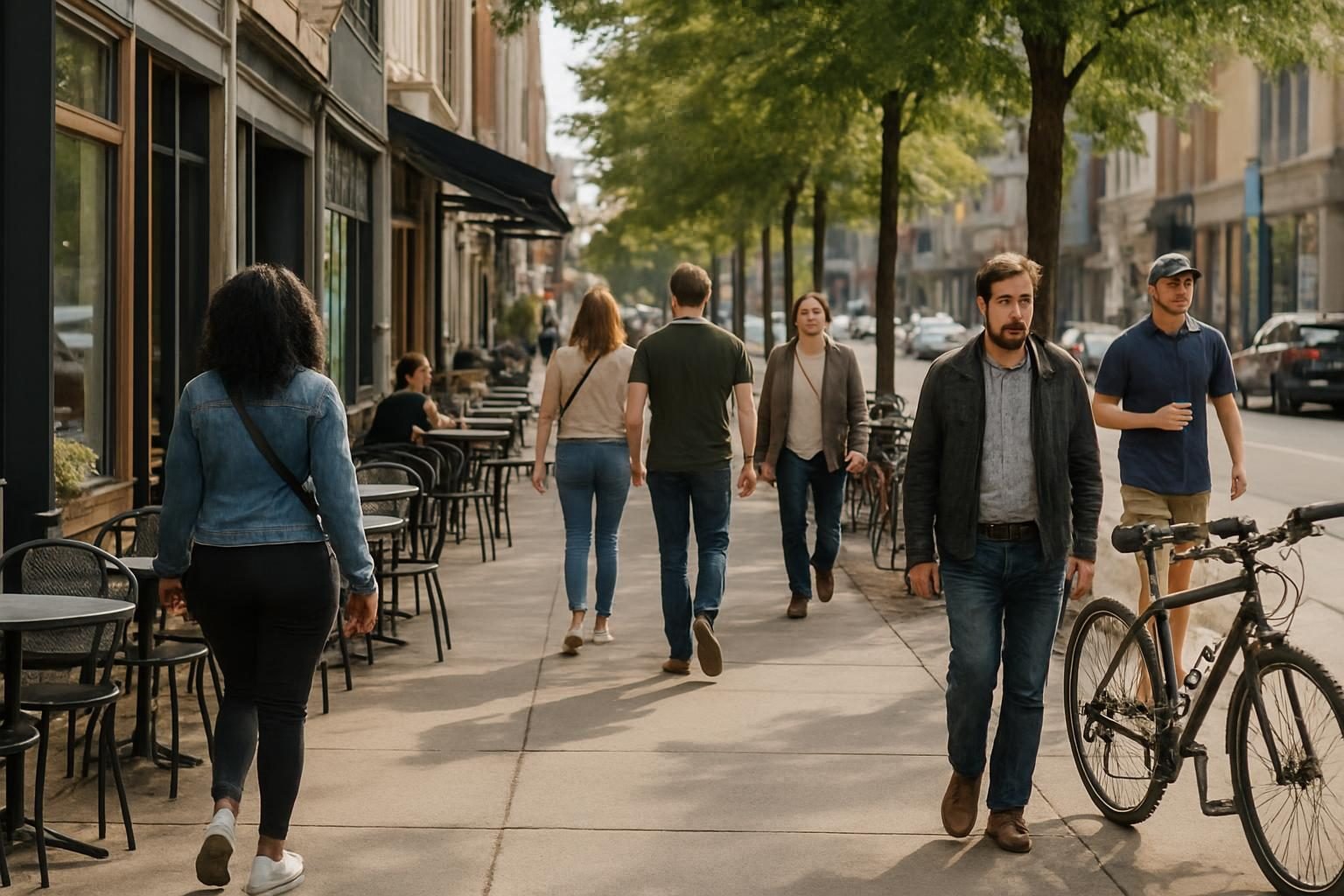
Elmwood Avenue is the spine of the neighborhood. It runs through a mix of storefronts, restaurants, cafes, boutiques and apartment buildings, with residential streets branching off on both sides. Most people describe the feel as lively but still residential, with plenty of foot traffic from morning to late evening.
The neighborhood sits between Allentown to the south and the Delaware Park area to the north. That position matters. You are a short trip from downtown, close to the park and its Olmsted-designed landscape, and near the museums and college campus that give this part of the city much of its energy.
The crowd is mixed. You will see long-time homeowners, students and recent grads, young families, artists and people who work downtown or at the medical campus. It is a place where people stroll, push strollers, walk dogs and stop to talk on the sidewalk.
Housing Types in Elmwood Village
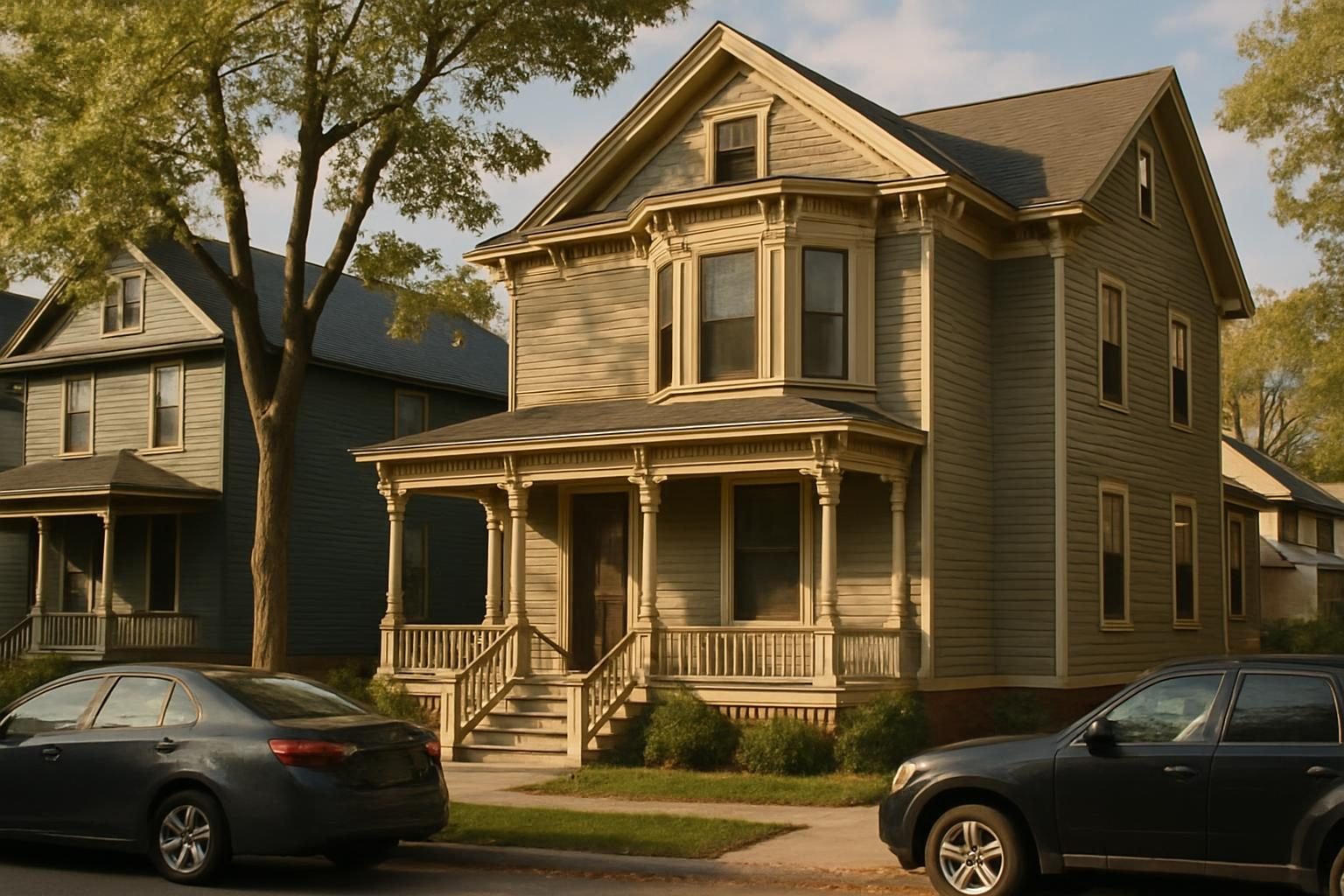
The housing is older, and much of it has real character. Many homes date from the late 19th and early 20th centuries, and the neighborhood has a strong preservation culture. Expect wood porches, original trim, bay windows and mature street trees.
Here is what you will typically find:
- Single-family homes: Large Victorian, Colonial Revival and Tudor-style houses, some very grand, on the quieter side streets.
- Doubles (two-family homes): A Buffalo classic. Owners often live in one unit and rent the other, which can help with the mortgage.
- Converted multi-unit houses: Big older homes split into apartments, popular with renters.
- Apartment buildings: Brick walk-ups and mid-size buildings along and near the avenue.
- Condos and townhouse-style units: Fewer in number, so they tend to move quickly when they come up.
Prices vary widely by block, condition and size, and the neighborhood is generally priced above much of the city. Check current listings and talk to an agent for real numbers. For a broader look at how housing costs compare across the region, see our upcoming guide to the cost of living in Buffalo, NY.
One honest caution: older houses mean older systems. Budget for inspections, and think about heating costs, windows, insulation, roofs and porches. Our Buffalo home maintenance calendar is a useful read before you buy a century-old house.
Elmwood’s old houses are a big part of the appeal, and a big part of the maintenance list.
Walkability, Shops and Restaurants
This is where Elmwood Village earns its reputation. For many residents, daily life happens on foot: coffee, groceries, a pharmacy, a haircut, dinner, a drink, a bookstore, a gift shop. Few Buffalo neighborhoods let you do that as easily.
The dining scene is broad, covering casual spots, bakeries, coffee shops, bars and sit-down restaurants across many cuisines. Businesses open and close over time, so look at current listings and recent reviews rather than relying on an old recommendation. If wings are on your mind, our guide to the best wings in Buffalo will help you plan the rest of the city.
The neighborhood also has a long-running Saturday farmers market in season. Confirm current dates and location before you go.
Local tip: Visit at three different times before you commit: a weekday morning, a Friday night and a Sunday afternoon. Noise, foot traffic and parking can feel very different, and the block you love at 10 a.m. may be louder than you expect on a summer weekend.
Green space is a major perk. Delaware Park is nearby, with walking paths, open lawns and the feel of a real park in the middle of the city. Plenty of residents use it daily for running, biking and dog walking. For more ideas beyond the neighborhood, see our guide to things to do in Buffalo.
Parking Realities and Winter Life
Parking is the main trade-off for walkability. Many older homes were built before cars were common, so off-street parking is limited. Some properties have a driveway, a small rear lot or a garage, and many do not.
On the avenue, expect metered or time-limited spots and a lot of competition at dinner time and on weekends. On side streets, on-street parking is the norm, and you may circle the block more than you would like.
- If you own: Ask whether the property includes a driveway, garage or deeded space. It can affect value and daily convenience.
- If you rent: Ask what parking comes with the unit, if any, before signing a lease.
- If you have two cars: Think hard. This is the hardest setup in the neighborhood.
- If you can go car-light: This is where Elmwood works best.
Winter adds another layer. Snow piles up on narrow streets, and parking rules can change during snow events. Check the City of Buffalo’s current parking and snow-emergency rules, and read our guide to surviving Buffalo winters so you know what to expect with a street-parked car.
You gain a walkable life in Elmwood and give up the easy driveway. Decide which matters more.
Who Elmwood Village Suits
Elmwood Village tends to work well for:
- Renters and buyers who want to walk to restaurants, shops and parks.
- Young professionals and couples who value a social neighborhood.
- Buyers who love historic architecture and are ready for older-home upkeep.
- Owner-occupants interested in a double, with a rental unit to offset costs.
- People who work downtown, at the medical campus or at a nearby college.
It may not be the right fit if you want a large yard, a quiet cul-de-sac, a two-car garage or lower housing costs. Families who prioritize space and newer construction often look to suburbs like Amherst or the options in our guide to the best suburbs of Buffalo.
Elmwood Village vs. Nearby Neighborhoods
Buffalo’s neighborhoods sit close together, so it helps to compare them. This is a general guide, and the feel can change from block to block.
| Neighborhood | General feel | Best for |
|---|---|---|
| Elmwood Village | Busy, walkable, historic, restaurant-heavy | People who want a lively main street and park access |
| Allentown | Artsy, nightlife-oriented, Victorian streets | Those who want bars, galleries and a compact urban feel (see living in Allentown) |
| North Buffalo | Quieter, residential, family-friendly | Buyers who want a calmer street and a bit more room (see living in North Buffalo) |
| Parkside | Park-adjacent, historic homes, more residential | Buyers who want a quieter, leafy setting near an Olmsted park |
If you are still deciding where in the city fits you, start with our best neighborhoods in Buffalo guide. If you are coming from out of town, our complete guide to moving to Buffalo covers the bigger picture.
When you are ready to look at homes or apartments, request a vetted local real estate agent through the form and tell them what matters most, whether that is parking, porch space or walking distance to the avenue.
Frequently Asked Questions
Is Elmwood Village a good place to live in Buffalo?
Yes, if you want walkability, historic homes and plenty of restaurants and shops. It is less ideal if you need easy parking, large outdoor space or a quiet setting.
Is Elmwood Village walkable?
It is one of the most walkable neighborhoods in Buffalo. Many residents can handle everyday errands, dining and park visits on foot, though a car is still useful for bigger trips and winter weather.
What kind of housing is in Elmwood Village?
Mostly older housing: single-family houses, doubles, converted multi-unit homes and apartment buildings. Condos and newer construction are less common.
Is parking difficult in Elmwood Village?
It can be. Many properties lack off-street parking, and the avenue gets crowded at peak times. Ask about parking before you buy or sign a lease, and check current city rules for winter.
How does Elmwood Village differ from Allentown?
Both are walkable and historic. Elmwood Village is more of a daytime-and-evening shopping and dining strip with a residential feel, while Allentown leans more toward arts and nightlife.
Talk to a vetted Buffalo real estate agent
A vetted local agent will reach out to discuss your goals and next steps, with no obligation.

