
Buffalo houses take a beating. Lake-effect snow, freeze-thaw cycles, wet springs and humid summers all test a home, and many of our houses are 80 to 100 years old. A good Buffalo home maintenance calendar keeps small jobs from turning into February emergencies. Here is what to do, and when, in Western New York.
Quick answer: Check the roof, sump pump and masonry in spring. Service the AC and caulk the exterior in summer. Get the furnace serviced, clean the gutters and shut off exterior water in fall. In winter, keep vents and drains clear and watch for ice dams and cold pipes. Most of the work is cheap and takes an afternoon. Skipping it is what gets expensive.
For the bigger picture on cold-weather living, see our local’s guide to surviving Buffalo winters. New to the area? The Moving to Buffalo guide covers what to expect from the housing stock.
The Buffalo Home Maintenance Calendar at a Glance
Use this table as a quick reference. Details for each season follow.
| Season | Task | Who usually does it |
|---|---|---|
| Spring (Mar–May) | Roof and gutter check after winter | DIY from the ground, pro for the roof |
| Spring | Sump pump test | DIY |
| Spring | Masonry, foundation and chimney inspection | DIY look, pro for repairs |
| Spring | AC tune-up | Pro |
| Summer (Jun–Aug) | Exterior caulk, paint touch-ups, deck care | DIY or pro |
| Summer | Masonry repointing and repairs | Pro |
| Fall (Sep–Nov) | Furnace service and filter change | Pro, plus DIY filter |
| Fall | Gutter cleaning after leaves drop | DIY or pro |
| Fall | Shut off exterior faucets and insulate pipes | DIY |
| Winter (Dec–Feb) | Vent clearing, ice dam watch, pipe checks | DIY |
Spring: Assess the Damage and Test Your Defenses
Spring in Buffalo means snowmelt, heavy rain and saturated ground. Your house gets its first real test of the year.
Walk the exterior and inspect the roof
Once the snow is gone, walk around the house. Look for shingles that are curled, missing or lifted, and for granules collecting at downspouts. Binoculars from the ground are fine. Stay off a wet or icy roof. If you see damage, or if the roof is nearing the end of its life, start getting quotes before summer storms. Our upcoming guide on what drives roof replacement costs in Buffalo will help you budget.
Check gutters and downspouts
Winter ice and snow load can pull gutters away from the fascia or leave them sagging. Run a hose and confirm water flows to the downspouts and away from the foundation. Extensions should move water at least several feet from the house.
Test the sump pump
If you have a basement, and most Buffalo homes do, test the sump pump in early spring, before the heaviest rains. Pour a few buckets of water into the pit until the float rises. The pump should kick on, empty the pit and shut off. Also check that the discharge line is clear and outside, not frozen or clogged. Consider a battery backup, because power outages often come with storms. If the basement still gets damp, read about why Buffalo basements flood in spring.
Inspect masonry and the foundation
Freeze-thaw cycles are brutal on brick, block, stone and mortar. Water gets into small cracks, freezes, expands and breaks things apart. In spring, look for:
- Crumbling or missing mortar between bricks
- Cracks in the foundation, especially any that look wider than a pencil line or that are growing
- White, chalky residue (efflorescence), which signals moisture moving through the masonry
- Leaning or loose chimney bricks, and a damaged chimney crown or cap
Make a list now and schedule repairs for summer, when conditions are right for mortar work.
Service the AC
Have the air conditioner tuned up in May, before the first hot week when every HVAC company is busy. Clear leaves and debris from around the outdoor unit and replace the indoor filter. Thinking about adding central air to an older home? See our upcoming guide to central AC installation in Buffalo.
Summer: Repairs, Sealing and Exterior Work
Buffalo summers are the best window for exterior projects, so use them. They are short, and contractors book up fast.
Caulk and seal the exterior
Walk the house and look at caulk around windows, doors, trim, siding joints and where pipes or wires enter the walls. Cracked, shrunken or peeling caulk lets in water and air. Remove the old caulk, clean the surface and apply a quality exterior-grade product. Check the label for the minimum application temperature, which is often around 40°F or higher, and avoid caulking right before rain. This is one of the cheapest ways to cut drafts and head off rot.
Repair masonry and repoint
Mortar work needs mild, dry weather to cure properly, so summer and early fall are ideal. Repointing, chimney repairs and patching of cracked steps and stoops are usually jobs for a pro. Brick two-flats in Black Rock, South Buffalo and the West Side, and older brick homes in Kenmore and North Buffalo, often need this after decades of freeze-thaw.
Paint, siding and decks
Touch up peeling paint and check siding for cracks or loose panels. Seal or stain wood decks and porches. Porches are a big part of Buffalo living, and they take heavy weather abuse. If siding is failing widely, look at siding options that handle lake-effect weather.
Grade and drainage
After a summer thunderstorm, watch where water goes. Soil should slope away from the foundation. Add fill and regrade low spots, and keep window wells clear of debris.
Fall: The Most Important Season on the Calendar
If you only have time for one season of maintenance, make it fall. What you do between September and early November determines how winter goes.
Get the furnace serviced
Book a furnace tune-up in September or October. A technician will check the burners, heat exchanger, venting, ignition and safety controls, and test for carbon monoxide. Replace the filter now and again every one to three months, depending on the filter type and your household. If your furnace is old or repairs are getting frequent, start planning early. Our upcoming guide on furnace replacement costs in Buffalo covers sizing, efficiency and quotes. Don’t wait for a January breakdown.
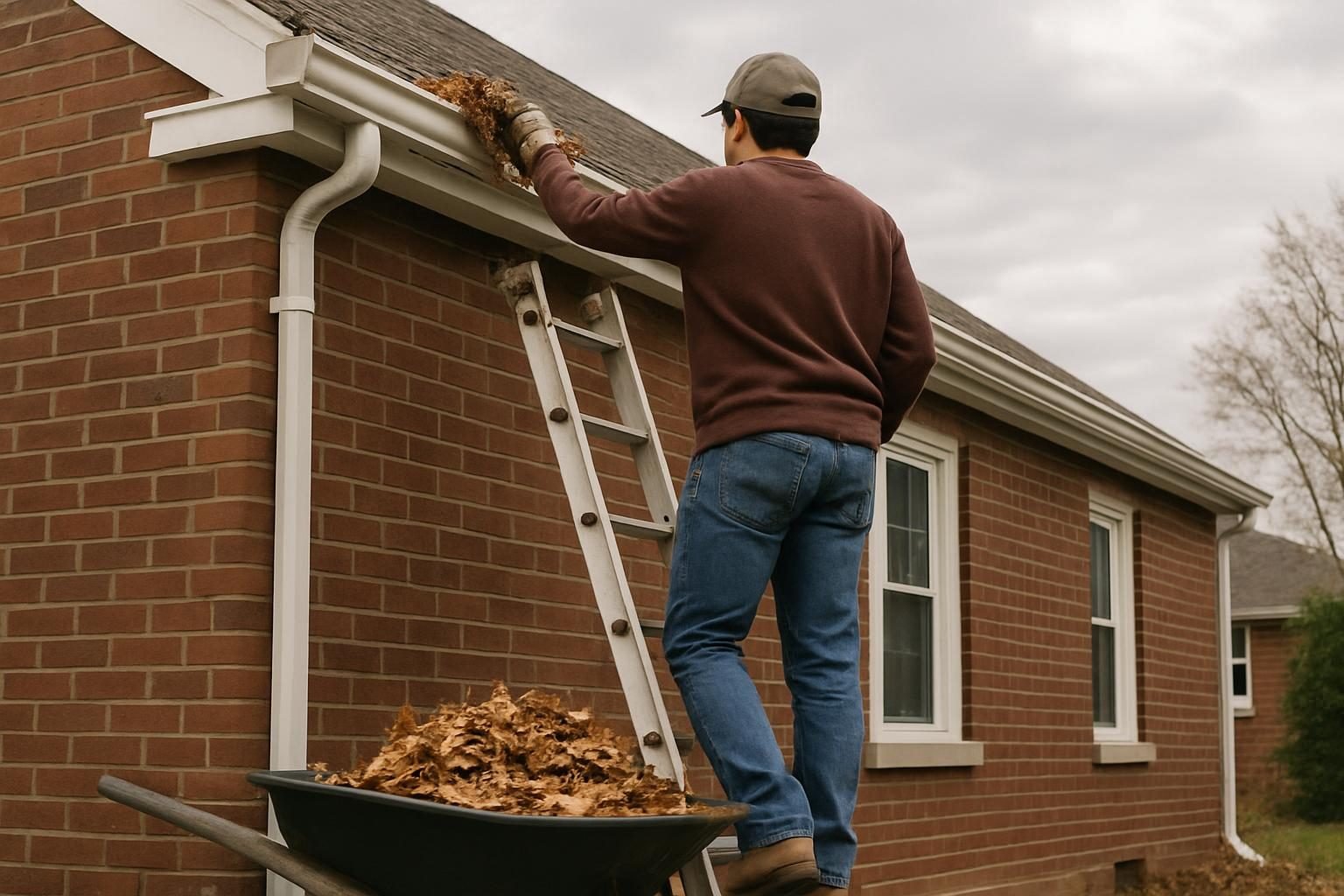
Clean the gutters
Wait until most of the leaves have come down, typically late October into November for homes with big maples and oaks, such as in Orchard Park, Clarence and the tree-lined streets of Parkside and the Elmwood Village. Clear gutters and flush the downspouts. Clogged gutters are a major contributor to ice buildup at the roof edge.
Protect the pipes
- Disconnect garden hoses and shut off and drain exterior faucets. If you have an interior shutoff for an outdoor spigot, close it.
- Insulate pipes in unheated spaces such as crawlspaces, garages, and exterior-wall cavities.
- Seal gaps where cold air gets into basements and utility areas.
- Know where your main water shutoff is and make sure it turns.
For what to do when the temperature plunges, see our upcoming guide to preventing and thawing frozen pipes in Buffalo.
Do a final roof and chimney look
Check flashing around chimneys, vents and skylights. Have the chimney inspected and swept if you use a fireplace or wood stove. Trim branches that hang over the roof.
Check detectors
Test smoke and carbon monoxide detectors and replace batteries when the clocks change in November. Furnaces, fireplaces and water heaters all run harder from here on.
Winter: Watch, Clear and Respond
Winter is mostly about monitoring. After a big storm or a cold snap, run through this short list.
Keep vents clear
High-efficiency furnaces and water heaters often vent through the side wall of the house. Drifting or plowed snow can block the intake and exhaust pipes, which can shut the furnace down or create a safety risk. Clear them by hand after every significant snowfall, and keep dryer vents and gas meters clear too.
Watch the roof edge for ice dams
Ice dams form when heat escaping from the attic melts snow, which then refreezes at the colder eaves. Large icicles and ice ridges at the roof edge are a warning sign. A roof rake can pull snow off the lower few feet from the ground. Don’t chop ice with tools. Read more in our upcoming guide to ice dams in Buffalo.
Protect pipes during cold snaps
When temperatures drop into the single digits or below, open cabinet doors on exterior walls and let a faucet drip slightly on the most exposed lines. Keep the thermostat steady and keep garage doors closed.
Mind the basement and attic
Look for new stains on ceilings, frost on the attic underside of the roof, or damp spots in the basement. Those point to leaks, air leakage or ventilation problems, so fix them in spring.
Year-Round Habits
- Change HVAC filters on a regular schedule.
- Flush the water heater once a year if the manufacturer recommends it.
- Check under sinks and around appliances for slow leaks.
- Keep a maintenance log of dates, contractors and what was done. It helps with resale and insurance questions.
Older Homes Need a Little More Attention
Much of the city’s charm comes from older homes, and they come with older roofs, plumbing, electrical and masonry. If you are choosing where to live, our guides to the best neighborhoods in Buffalo and the best suburbs of Buffalo help you weigh housing age against lifestyle. Newer builds in Amherst, Clarence or Lancaster have different issues, such as builder-grade materials and drainage on flat lots, but the same seasonal rhythm applies.
Always get more than one quote on major work, check that contractors are licensed and insured where required, and verify current details directly rather than relying on a single source.
FAQ
When should I clean my gutters in Buffalo?
Late fall, after most leaves have dropped and before the ground freezes, is the key time. Many homeowners with heavy tree cover also do a quick spring check for winter damage and debris.
How often should I test my sump pump?
At least once in early spring and once in fall. Test it any time heavy rain is forecast if the basement has had water problems. Replace or add a battery backup if you rely on the pump heavily.
When is the best time to service a furnace?
September or October, before the first cold stretch. Technicians get very busy once the heat comes on, and a tune-up is a good chance to spot problems before they leave you without heat.
Can I caulk windows and siding in cold weather?
It depends on the product. Many exterior caulks have minimum application temperatures, often around 40°F, so check the label. Late spring through early fall is generally the safest window in Western New York.
What is the single most important maintenance task for a Buffalo home?
Managing water: gutters, downspouts, grading, the sump pump and exterior seals. Most of the damage from our weather, whether ice dams, basement dampness or freeze-thaw masonry cracking, starts with water in the wrong place.

